Joint Development Program and Affordable Housing Policy Analysis

By assessing its existing programs, MARTA gained new insight on strategies to improve the effectiveness of its transit-oriented development programs and affordable housing policies.

CHALLENGE

Five years after adopting new guidelines to frame its approach to transit-oriented development, MARTA’s board of directors sought to assess the program’s effectiveness in promoting dense, mixed-use development with a great public realm, and to identify areas for improvement. Additionally, the board required a more precise understanding of how the agency’s affordable housing policy affected the viability of joint development deals, and how to attract a larger pool of national developers to its joint development solicitations.

Solution

To understand the baseline performance of MARTA’s programs, HR&A reviewed regional and local development trends and plans, identified the performance and pain points of the agency’s existing joint development, and benchmarked the agency’s TOD and affordable housing programs with peer city agencies. HR&A also analyzed MARTA’s property portfolio for future TOD potential, giving MARTA the ability to prioritize appropriate stations for pre-solicitation market studies, feasibility analyses, and community visioning.
 
HR&A recommended the agency establish an independent contracting and procurement authority for MARTA’s real estate office, which would simplify the solicitation program and enable the real estate office to work at the pace of private development partners. To unlock more creative funding sources for affordable housing and build support community revitalization goals, HR&A recommended the agency strengthen partnerships with regional housing and economic development organizations and local municipal development partners.
 

Impact

MARTA demonstrated that its TOD program performs on par with peer agencies and identified actions to improve effectiveness. MARTA anticipates it will attract a greater pool of national development partners and improve development partnerships and outcomes.

Joint Development Guidelines for Crenshaw/LAX Light Rail Corridor

LA Metro is supporting the economic and physical development of Los Angeles communities through its Transit-Oriented Communities Program.

CHALLENGE

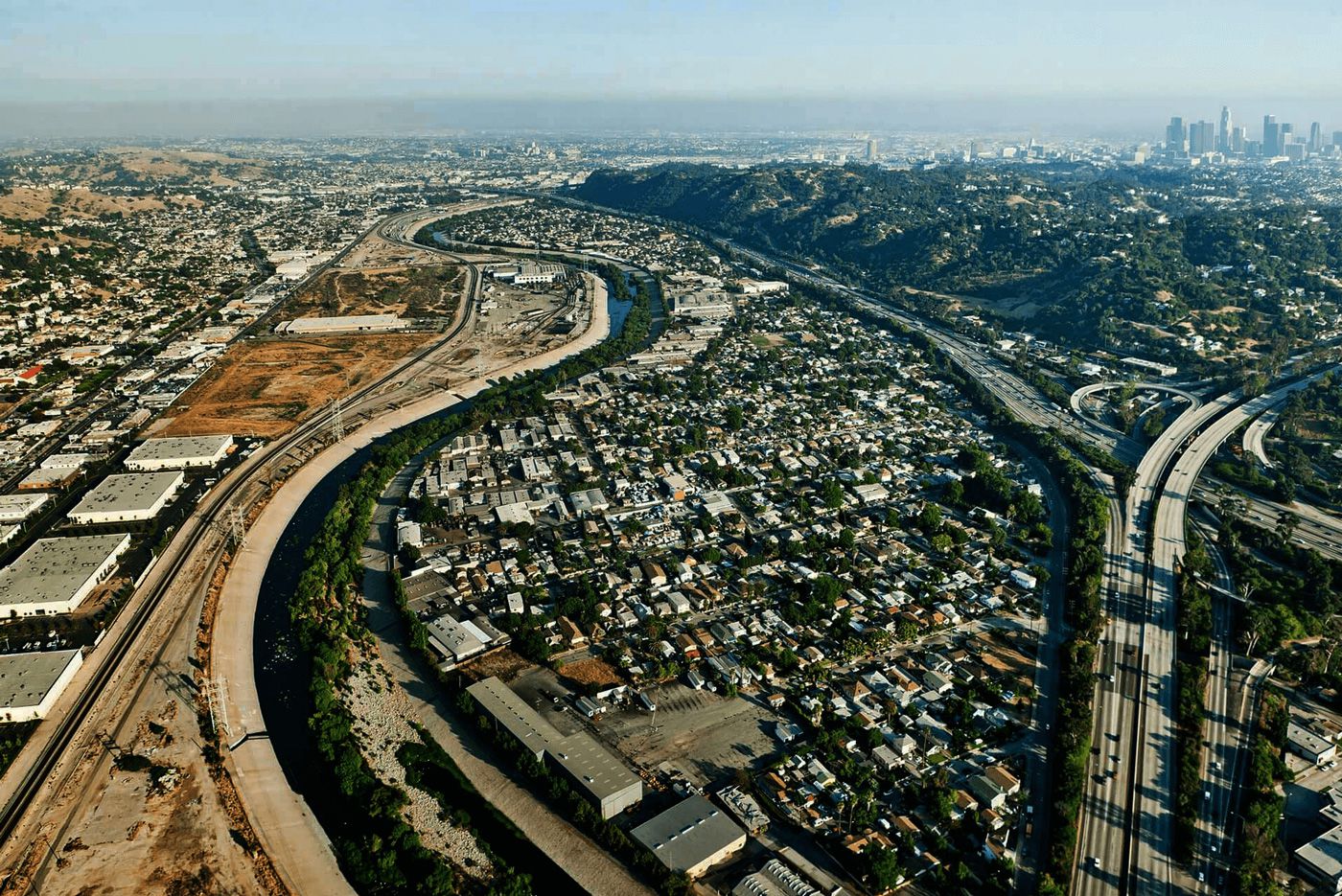
In 2008, Los Angeles County voters showed their overwhelming support for Measure R, which solidified a groundbreaking plan to double the length of the commuter rail system by 2035. To ensure that this major investment in the rail network produces wide-ranging benefits in the communities that it serves, the Los Angeles County Metropolitan Transportation Authority (Metro) launched the Transit-Oriented Communities Demonstration Program, a comprehensive approach to facilitating joint-development on the land it owns around transit stations.
 
As part of the program’s implementation, Metro engaged HR&A to support the development of program and design guidelines that incorporate broad community objectives – like community development, economic development, and multi-modal mobility – into joint development projects along the Crenshaw/LAX light rail corridor.

Solution

To define the appropriate scale and character of supportable development at each station area, HR&A analyzed market demand for key land uses at each station and tested the financial feasibility of potential development scenarios through pro forma financial modeling. Our financial feasibility testing placed a significant emphasis on potential opportunities that would likely result with the introduction of rail transit.
 
Also, to incorporate community input and feedback, HR&A attended and facilitated a series of community stakeholder meetings at each station area.
 
After using HR&A’s recommendations to develop overarching vision and design guidelines, Metro issued final development guidelines for the Fairview Heights and Expo/Crenshaw station areas in June 2016.
 

IMPACT

Building upon the development guidelines, Metro issued a Request for Proposals for a joint-development opportunity at the Expo/Crenshaw Station and selected a subsidiary of Watt Companies, a nationally recognized real estate investment and development firm, for a six-month exclusive negotiation agreement.
 
The Watt Companies’ initial proposal included many of the program elements recommended by HR&A – affordable housing for residents at the very low-income level, nearly 50,000 square feet of community-serving space, as well as retail spaces targeting locally-owned businesses.

Defining the Economic Impact of WeWork

Challenge

As part of an initiative to shape the future of work and cities, WeWork was interested in demonstrating how the WeWork community creates an economic ripple effect for people, businesses, neighborhoods, and cities.

Solution

To quantify the economic benefits of WeWork to a range of stakeholders interested the company’s growth, HR&A developed the first detailed economic and fiscal impact analysis of WeWork communities in New York City, Los Angeles, and Chicago. The analysis focused on WeWork’s value-add to each partner and its crucial role in growing each city’s innovation economy, small business sector, and entrepreneurial community. HR&A built on this by assessing neighborhood-level demographics and market trends, and creating illustrative profiles of WeWork’s members. Finally, HR&A developed projections to estimate how WeWork’s expansion could impact other cities across the U.S.


IMPACT

Our study found that WeWork would be among the largest private-sector employers in New York City, Los Angeles and Chicago, supporting 50,000 jobs across the three cities. For each member, one additional job is created somewhere else where in the city, in total representing nearly 1% of each city’s workforce. A subsequent report, WeWork’s Global Impact Report 2019, expanded to track impacts the impacts of the company worldwide. Findings from both studies will be incorporated into WeWork’s Future of Work initiative and will continue to support outreach to policymakers as WeWork expands.

Imagine Clearwater

HR&A developed an action-oriented, community-led master plan to activate a 66-acre waterfront site in downtown Clearwater.

CHALLENGE

While Clearwater Beach has witnessed significant growth in recent years, Clearwater’s downtown and its adjacent waterfront have seen less redevelopment, cultural programming, and recreational activity than similar downtown waterfronts in the Tampa Bay region. Clearwater’s downtown waterfront is a beloved civic asset. Home to Coachman Park and the Main Library, the waterfront is an important community gathering place, hosting cultural events that attract visitors from across the region. Nonetheless, citizens across Clearwater recognize that the waterfront and bluff are underutilized assets, including large surface parking lots and the aging Harborview Center, and view an opportunity to transform the area into a destination for all of Clearwater.

SOLUTION

HR&A, working with Sasaki Associates, Kimley-Horn, and B2 Communications, developed a vision to transform Clearwater’s downtown park into an expanded signature space as a way to rebrand downtown, increase visitation, improve connectivity and accessibility, and catalyze adjacent residential development. This plan included a phased redevelopment strategy for potential catalyst sites, a vision and framework for public and private investment, and an action-oriented implementation plan. Throughout the master planning process, HR&A worked with the City to conduct a comprehensive public engagement strategy that included seven community workshops, with over 700 community members participating. Imagine Clearwater, the actionable master plan was presented to City Council, stakeholders, and the general public in January 2017.


RESULTS

Since City Council’s approval of the master plan in early 2017, the City – in partnership with key stakeholders who participated in the master planning process – has moved to make the vision laid out in Imagine Clearwater a reality. In November 2017, Clearwater voters overwhelmingly approved modifications to the City Charter to allow for changes to City-owned parcels along the master plan, a key step in the implementation process. As it continues to seek necessary multijurisdictional approvals, the City is also currently developing a detailed design and engineering scheme for the redevelopment, due to be completed by the mid-late 2020s.

Imagine Boston 2030

Imagine Boston 2030, the city’s first comprehensive plan in 50 years, sets the agenda for future growth, investment, and development.

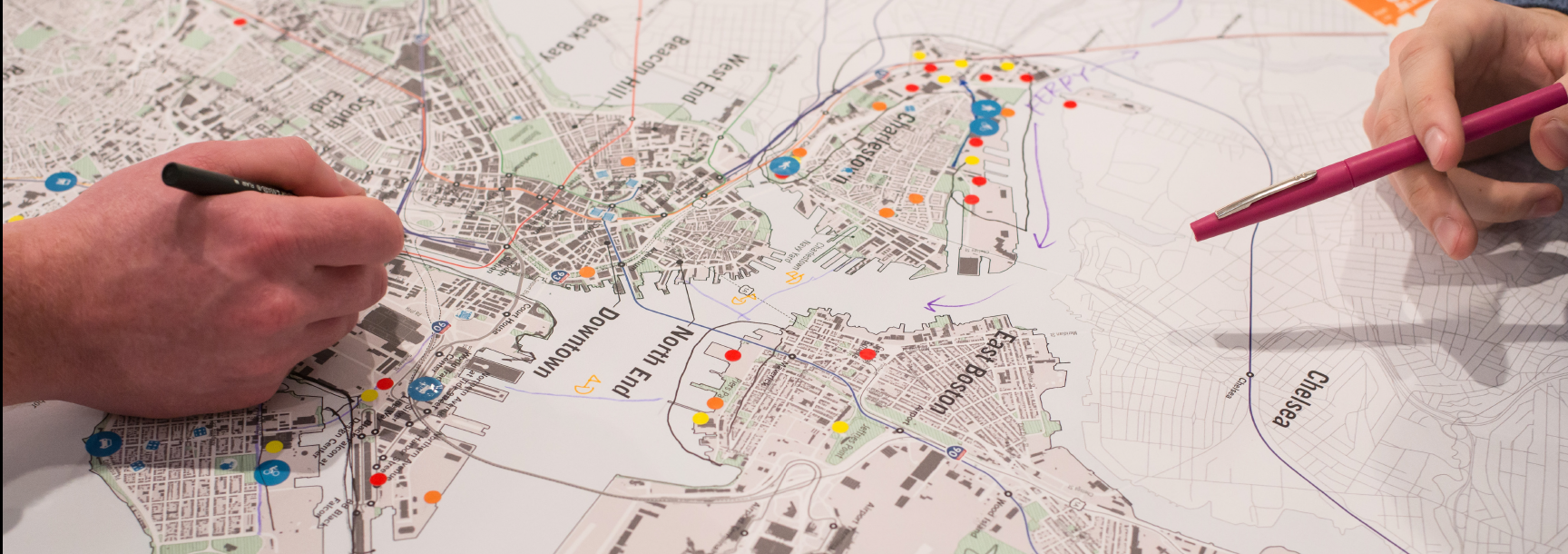
A historic, land-constrained city with a highly productive workforce and a fast-growing population, Boston’s greatest challenge is one that many growing cities are facing—how can it keep housing affordable, invest in infrastructure, and expand access to opportunity as it grows?
 
Imagine Boston 2030 is a plan to strengthen the city’s physical assets and encourage equitable economic growth. On behalf of the administration of Mayor Martin J. Walsh, HR&A used economic, demographic, real estate, environmental, and land use analyses, coupled with input from over 14,000 community members, to guide development of an innovative framework that will enhance and preserve Boston’s historic communities while accommodating long-term population and job growth. Working in partnership with Utile Design and supported by Inkhouse Communications, Greenberg Consultants, Hood Design Studio, Michael Van Valkenburgh Associates and Nelson Nygaard – HR&A estimated the housing and working space needed to accommodate growth and developed a strategy that leverages the City’s physical assets, human capital, and regulatory and financial tools to achieve the City’s goals of affordability, inclusive growth, preparing for climate change, and investing in quality of life improvements.
 
Through our analysis, we identified three areas requiring customized approaches to growth, enhancement, and preservation—existing neighborhoods, the commercial core, and edge areas. HR&A helped the City to build consensus on a set of initiatives that combined this place-based planning with new policies —ranging from carbon neutrality to anti-displacement measures —to advance the plan’s underlying goals. By combining planning and capital investment with policy, Imagine Boston 2030 will enable the City to firmly guide development of new housing and investment in areas with the ability to support sustainable growth, while ensuring that the benefits of that growth are accessible to more Bostonians.
 
The final Imagine Boston 2030 plan articulates how the initiatives and priority actions will be funded, led, and measured to ensure success—directly informing the City’s five-year capital plan. Concurrent plans like Climate Ready Boston, Go Boston 2030, and 100 Resilient Cities are other important avenues of progress for the plan’s goals, providing complementary strategies that build off Imagine Boston.

Downtown Revitalization Initiative

HR&A developed investment strategies to secure $75 million in private investment and create 500 jobs in three downtown neighborhoods.

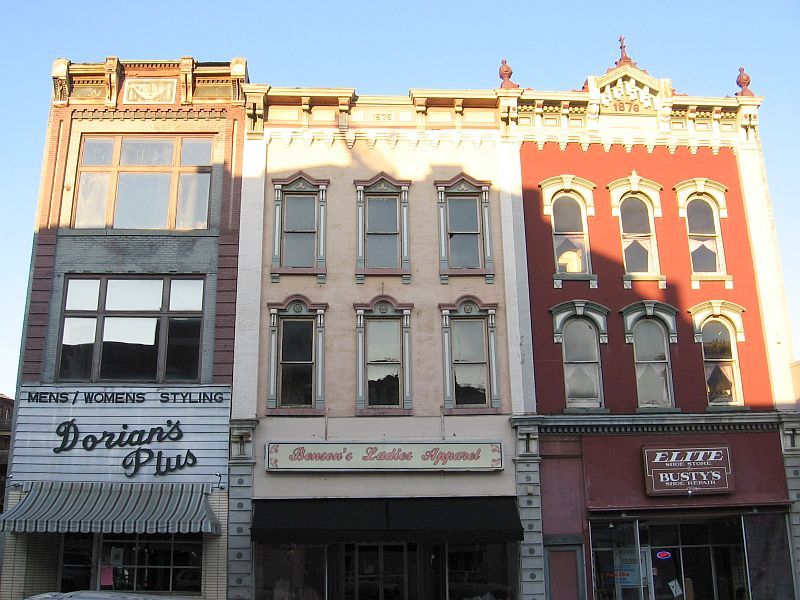
In 2016, New York State launched the $100 million Downtown Revitalization Initiative to transform 10 formerly declining downtowns into places where tomorrow’s workforce will want to live, work, and raise a family. HR&A worked with three downtown communities – Jamestown in Western New York, Plattsburgh in the North Country, and Jamaica, Queens – on a seven-month strategic planning effort to identify targeted public investments that will spark private investment and create jobs.
 
With a team of planning, landscape design, engineering, and public engagement professionals – in concert with local planning committees composed of leaders from government, business, and civic organizations – HR&A identified local strengths, challenges, and priorities through technical analysis, public workshops, and deep engagement with local planning committee members. HR&A’s work resulted in 32 project recommendations across the three communities, including:

  • Gap financing in Jamestown to redevelop two vacant properties into a 140-key full-service hotel and a brewery, which would draw on visitation from the National Comedy Center.
  • Public infrastructure funding to unlock development potential in Plattsburgh, including redevelopment of a publicly owned site in the historic downtown.
  • Development of an inviting gateway plaza in Jamaica, plus investments to support local job and industry growth, including a 10,000-square-foot co-working space and high-speed broadband. Final awards are forthcoming.

 
HR&A framed the proposed projects within long-term revitalization strategies and developed implementation plans, which were summarized in strategic investment plans submitted to the state on behalf of each downtown. In total, awarded projects will leverage nearly $30 million of state funds to attract more than $75 million in additional private and public investment, create at least 500 direct jobs, and set the stage for further downtown growth and community development.


Based on the success of first round of the Downtown Revitalization Initiative, New York State announced the launch of a second round in the spring of 2017.


To learn more about this project, please contact Partner Kate Collignon

Los Angeles Economic Development Framework

HR&A worked with the City Administrative Officer and Chief Legislative Analyst of the City of Los Angeles to evaluate and recommend a new approach to citywide economic development.

Following the recent dissolution of Community Redevelopment Agencies throughout California and the lingering effects of the 2007-2009 Great Recession, the Los Angeles City Council voted unanimously in support of a new framework for the City’s economic development structure. HR&A prepared this framework with the following recommendations for a new public-private structure to deliver economic development services:

  • A new Economic Development Department to support the City’s businesses, industries, and communities; direct production of a citywide economic development strategy; manage and facilitate the distribution of federal and state resources; and consolidate certain economic development functions from existing City entities, including workforce development.
  • A new independent Citywide Economic Development Nonprofit partner, operating under contract with the City, to manage the City’s strategic real estate assets; advance major economic development and public-private real estate projects; manage the City’s off-budget finance entities; and provide expert research, analytic, and transaction negotiation services.
  • A Deputy Mayor for Economic Development charged with ensuring coordination among the Mayor’s office, the economic development department , the independent economic development non-profit, other related City departments, proprietary agencies, and external economic development stakeholders.

This new framework will provide the organizational platform required for the City to create new jobs, attract new businesses and industries, maintain global competitiveness in the 21st Century, and grow its tax base.

The report’s recommendations are based on the HR&A team’s analysis, which was completed in three months of intensive work. The analysis included interviews with more than 80 key stakeholders, including executives and staff from the Mayor’s office, City Council, City departments, proprietary City agencies, nonprofit and community-based organizations, and private industry leaders; an online survey distributed to more than 160 economic local development entities; detailed organizational reviews of 19 City departments and proprietary agencies; and in-depth case studies of economic development organizational models employed in eight other U.S. cities.

To date, the City Council has approved formation of, and allocated the inaugural-year budget for, a new Economic and Workforce Development Department, and Mayor Eric Garcetti appointed a new Deputy Mayor for Economic Development in 2013.

Image Courtesy: Historic Core of Downtown Los Angeles

Economic Value Study of the Dallas Park System

The City of Dallas identified opportunities and secured new funding to maximize the economic value of its park system.

Challenge

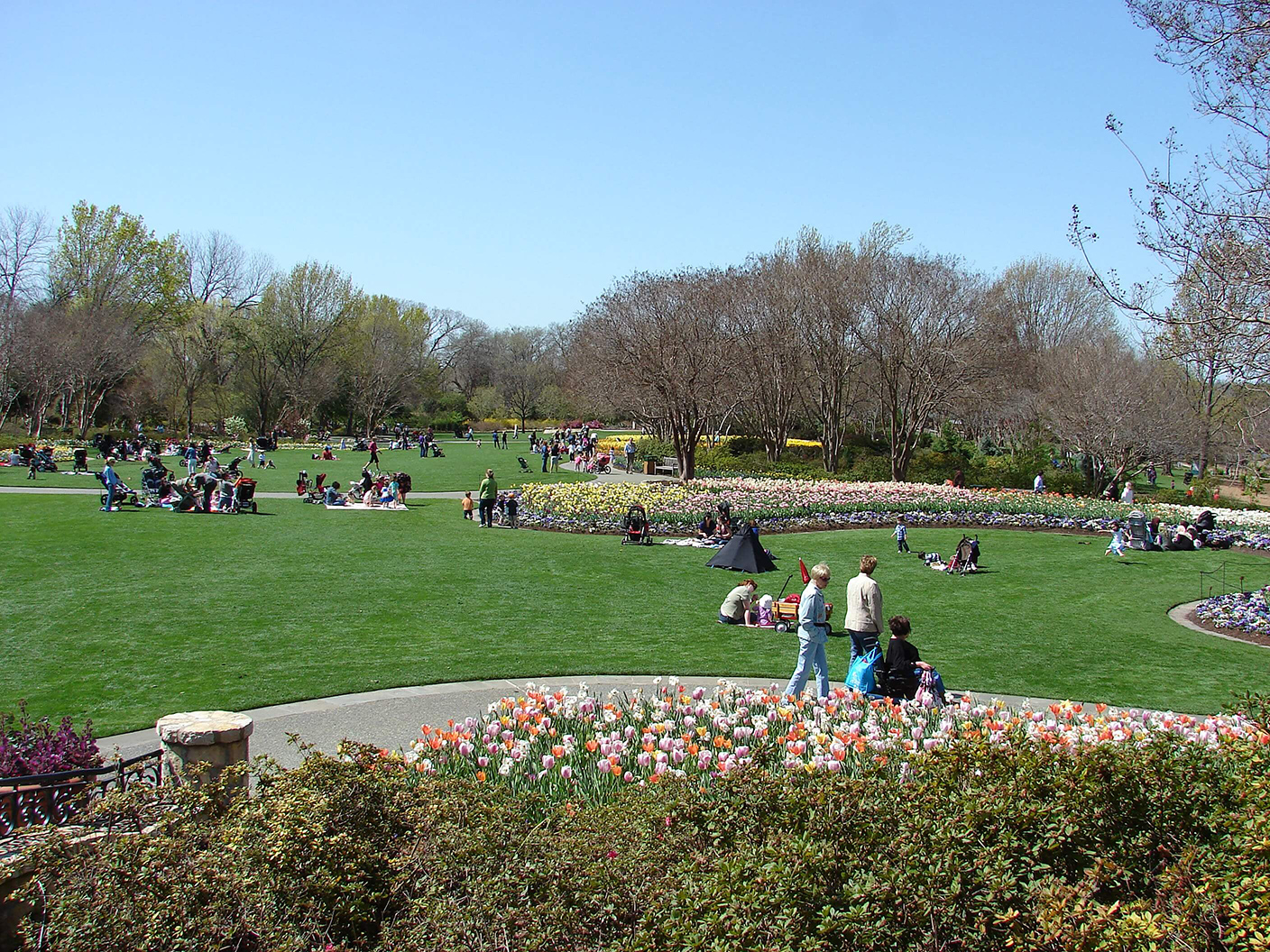
The Dallas Parks and Recreation Department oversees one of the largest park systems in the nation, comprised of 382 parks and 145 miles of trails. This immense portfolio not only provides community benefits, but also revenue generation and value capture opportunities. With growing municipal budget constraints, the department engaged HR&A to develop detailed analysis on the financial return of its parks to advocate for park expansion as a viable economic development strategy.

Solution

HR&A assessed the incremental impact of the park system on real estate, tourism, environmental, and city-building. After reviewing factors attributing to spending and value – including visitation and increased real estate values – HR&A found that Dallas parks contribute a seven-to-one return on public investment, which is approximately $678 million to the local economy every year. However, after reviewing the system’s assets, operations, resources in relation to peer park systems, HR&A found that the Dallas spends almost 40% less per resident on operations and 45% less on capital improvements than its peers. Working with the City, HR&A helped identify key projects and investments that would maximize the value created by the City’s parks.
 

Impact

The Dallas Parks & Recreation Department used the study as a critical piece of its advocacy for a $262 million bond proposal. The request also generated support from local public and private entities that pledged an additional $150 million in matching funds. In 2017, the Dallas City Council added the proposal as a ballot proposition, which voters overwhelmingly approved.


Times Square Economic Impact Analysis & Retail Strategy

HR&A Partners led New York City and State efforts to reinvigorate Times Square, and begin the process of building its strong brand.

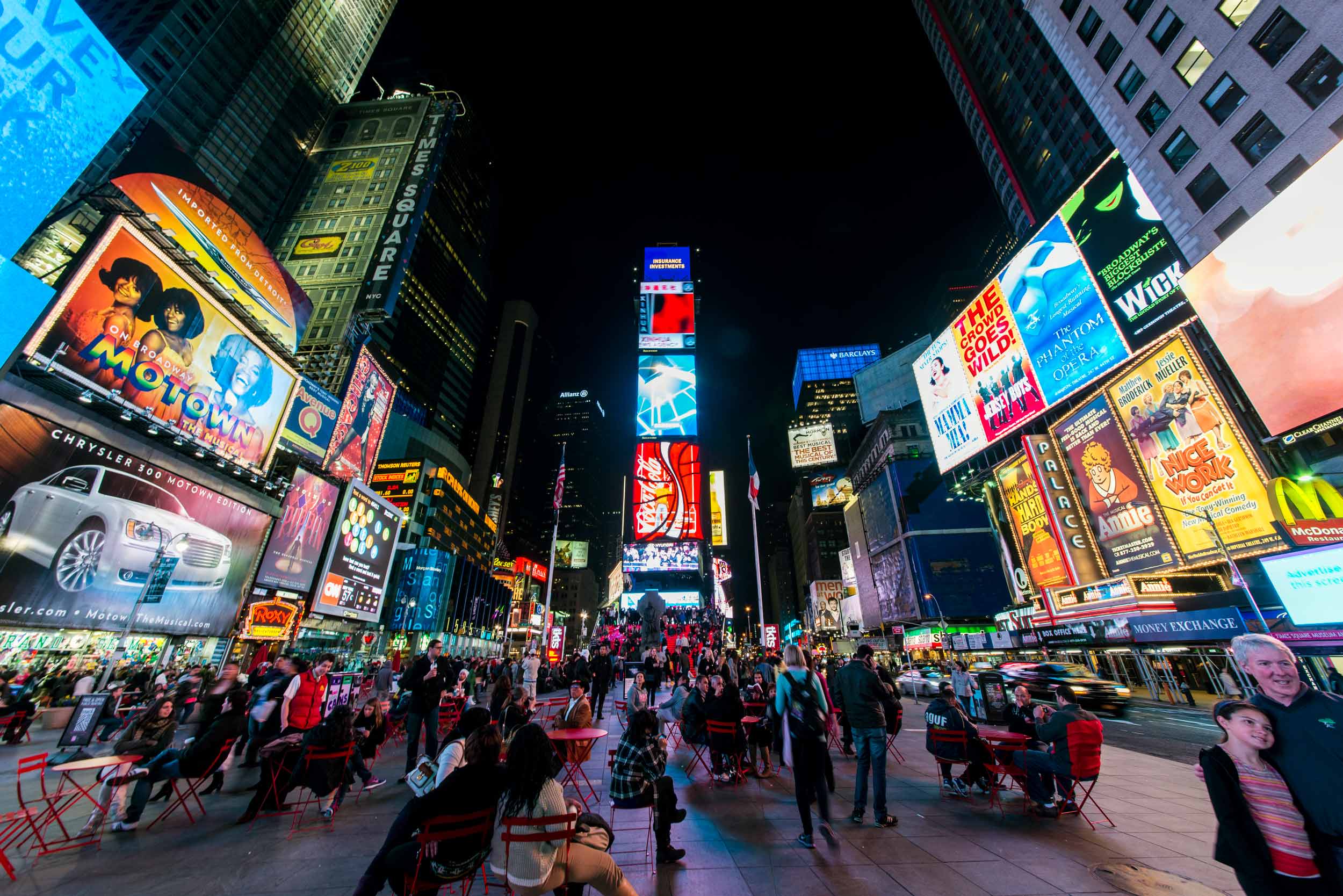
Following World War II, through the 1980s, Times Square, while the heart of New York City’s entertainment district, suffered from crime, urban decay, pornography, social disaffiliation and general economic deterioration. Today, Times Square is the nation’s best example of the successful transformation of a symbol of urban decay into a world class center for entertainment.

HR&A conducted the first economic impact analysis of Times Square on the New York City economy since its transformation in 2007.

Beyond measuring traditional impacts, HR&A quantified how Times Square promotes the City to the world by serving as a tourist destination, global headquarters, premier public gathering space and prime event location. The Times Square Alliance used the study to engage in the City’s PlaNYC process, securing the district’s future as one New York’s most important public spaces and vibrant mixed-use neighborhoods. In 2011, HR&A completed an update of the 2007 impact analysis.

HR&A Partner Kate Coburn created a comprehensive retail strategy for Times Square.

Working with the Times Square Alliance, Kate developed a strategy to diversify the retail tenant mix in the Times Square area extending retail and restaurant opportunities to Eighth Avenue. She created an implementation plan to attract new tenants to the area, outlining a marketing strategy that included public relations, retailer outreach, outreach to area landlords and broker contacts.

New York City Tech Ecosystem Study

After creating a landmark study in 2013 that analyzed the size and complexity of the Tech Ecosystem in New York City, HR&A released a new study in 2021 exploring how New York City’s Tech Ecosystem has changed in the last decade.

HR&A worked with a consortium of tech and civic organizations including Association for a Better New York, Tech:NYC, and Google to assess the changing landscape of the tech industry in New York City. Our methodology form 2013 established a new bar for Tech Ecosystem assessments and has been adopted widely in many other cities and has been included in academic literature on the subject. Most Tech Ecosystem studies now use the broader definition we established in 2013, which includes all jobs at tech companies and jobs in tech at companies where tech is not their core business.

READ THE FULL 2022 REPORT HERE


This working definition for the “Tech Ecosystem” divided tech into three broad categories
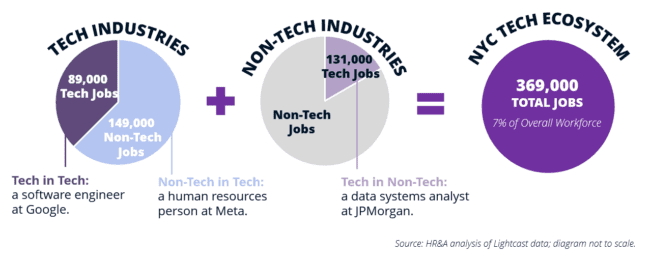
HR&A used this working definition to estimate the number and distribution by occupation and firm type of tech ecosystem jobs, and to model and evaluate the ecosystem’s economic and fiscal impact to the City.

Tech jobs are increasingly prevalent across all sectors in New York City, including in industries not traditionally associated with “tech.” While 65% of tech ecosystem jobs are in tech industries, a notable 35% share of jobs are in non-tech industries. Nearly 1.5X more tech workers are employed in non-tech industries (131,000) than in tech industries (89,000), particularly in sectors that are key to the city’s current and future economic health – healthcare, film and media, finance, and advertising. About 60% of the tech jobs in non-tech industries can be considered “high-tech,”* focused on the creation and management of sophisticated tools, products, systems, and support services, such as network and computer systems administrators, data administrators, information security analysts, and computer and information system managers. In today’s fast-changing world, these digital skills and jobs that leverage technology will only continue to grow in importance in every sector.
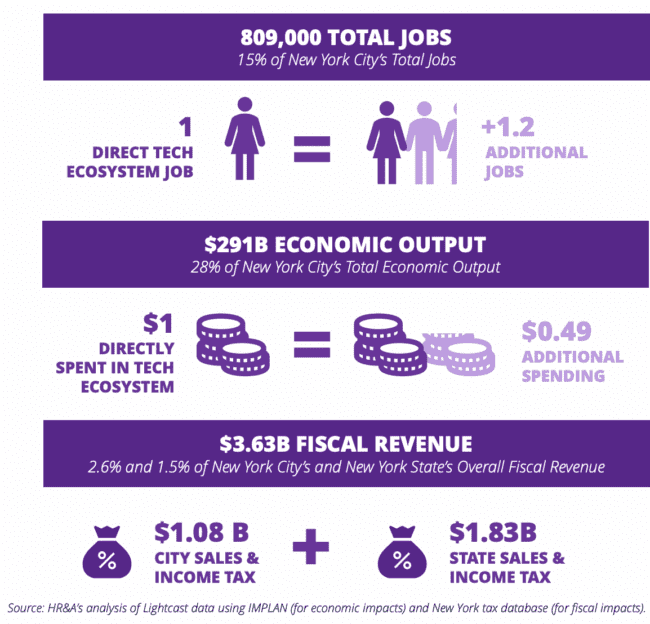
 

New York City’s tech ecosystem generates significant economic and fiscal impacts for the city. The direct, indirect, and induced impacts of the tech ecosystem account for a total of 809,000 jobs, $291 billion in economic output, and $3.63 billion in fiscal revenue for the city and the state.


Tech jobs have larger multiplier effects on employment compared to other industries. The 369,000 direct jobs in the tech ecosystem contribute 440,000 additional multiplier jobs in New York City, representing 15% of the city’s total workforce. In 2013, this share was 13%. Every 1 tech ecosystem job creates an additional 1.2 jobs, considerably higher than other top industries in the city like Finance and Insurance or Professional Services.


The city’s tech ecosystem generates $109 billion in worker earnings from direct and multiplier jobs, equivalent to 16% of the city’s total worker earnings. Of that, $66 billion is generated from direct jobs and $43 billion from additional multiplier jobs. In other words, for every dollar of earnings within the tech industry, an additional $0.65 in earnings is created within the city’s economy.


Economic output from the tech ecosystem accounts for 28% of the city’s overall economic output. This is twice the share of the tech ecosystem’s output in 2013. The tech ecosystem’s $195 billion in direct economic output contributes an additional $96 billion in multiplier effects. In other words, tech ecosystem investments drive additional spending in the New York City economy: every $1 spent in the tech ecosystem supports an additional $0.49 in economic output.


New York City’s tech ecosystem workers also contribute billions of dollars to City and State fiscal revenues in the form of sales and income taxes. In 2021, the tech ecosystem was responsible for $696 million, or 8% of the City’s sales tax revenue, and $1.10 billion or 9% of the City’s income tax revenue. Similarly for New York State, the city’s tech ecosystem generated $677 million in sales tax collections and $1.15 billion in income tax collections. Overall, the tech ecosystem generated $1.80 billion and $1.83 billion in taxes for New York City and New York State, respectively, in 2021, contributing a total of $3.63 billion in fiscal revenues.
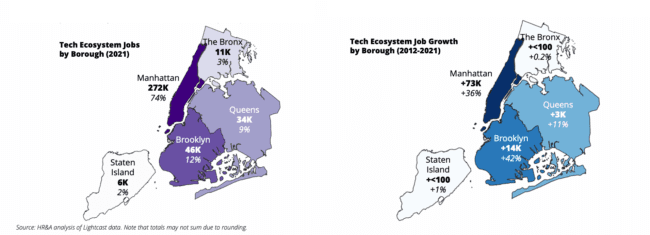
 

Manhattan serves as the nucleus of the tech ecosystem in New York City. Adding 73,000 jobs over the last decade, the borough now contains nearly three quarters of the city’s entire tech ecosystem workforce. Manhattan provides the advantage of density in businesses, workers, and office space and benefits from historic investments in tech incubators, accelerators, and other programs that grow the tech ecosystem. The remaining jobs are distributed across the outer boroughs, of which Brooklyn has the largest share with 12% of tech ecosystem jobs.


Brooklyn experienced the largest percent growth in tech ecosystem jobs of all the boroughs in the last decade. The unprecedented growth of Brooklyn’s tech ecosystem can be attributed to investments in the Brooklyn Navy Yard and the Brooklyn Tech Triangle over the last ten years. By contrast, Queens, which held a similar share of jobs in 2012, has only added 3,000 tech ecosystem jobs in the last decade. The Bronx and Staten Island have seen no meaningful growth.


The report has been featured in:

The City

The Brooklyn Daily Eagle


READ THE FULL 2013 STUDY / READ THE 2017 UPDATE