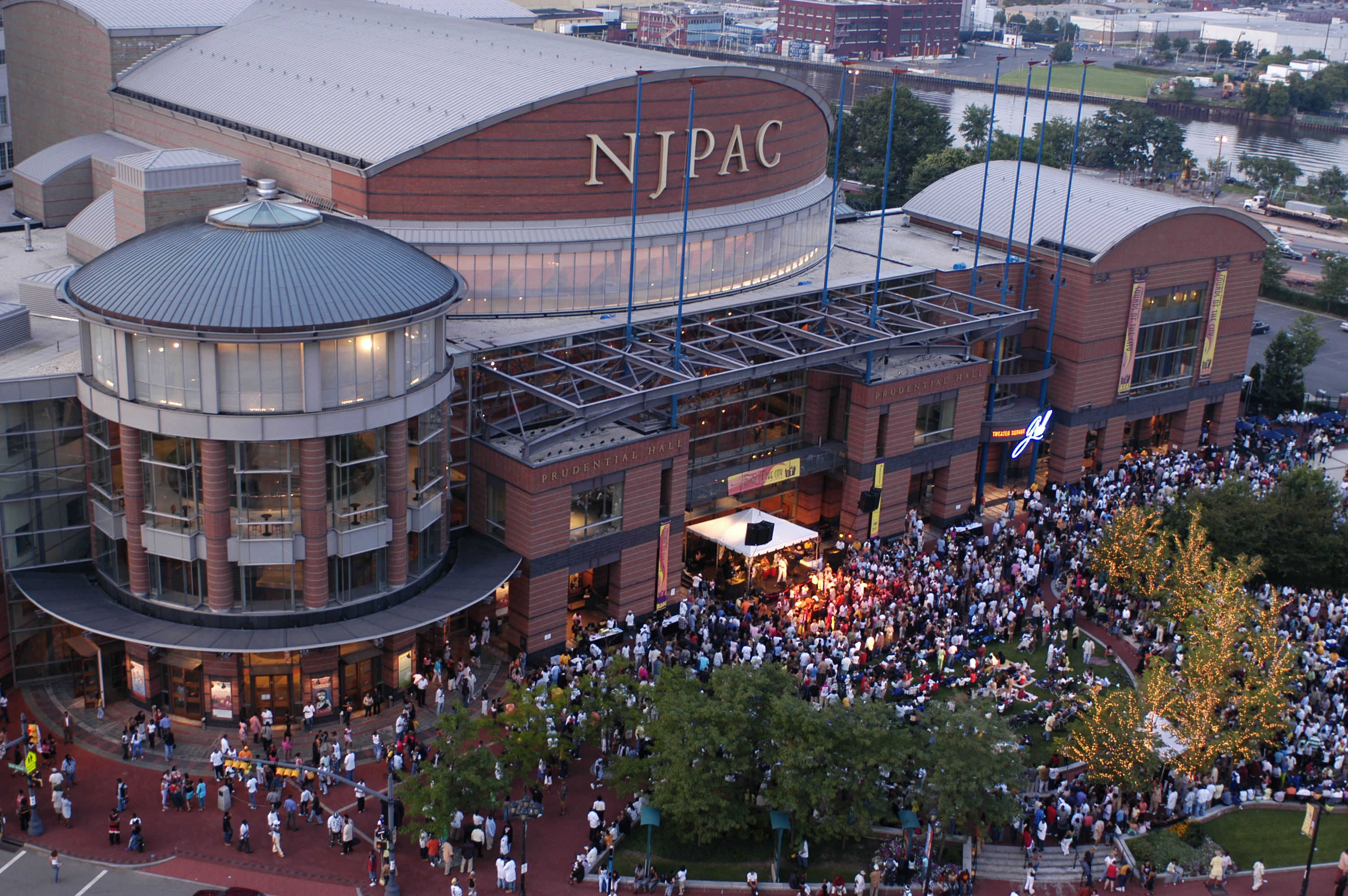
New Jersey Performing Arts Center

HR&A has supported the New Jersey Performing Arts Center since its inception. We helped craft the rationale for its funding and have provided development advisory services as it considers abutting residential development to achieve its founding mission of stewarding economic revitalization in Downtown Newark.

The opening of the half-billion dollar New Jersey Performing Arts Center (NJPAC) symbolized downtown resurgence and a redefining moment for Newark. Since its opening over a decade ago, NJPAC has drawn over 6 million visitors, and is considered a pioneering project in downtown Newark that has been followed by major investments such as the Prudential Center (the New Jersey Devils’ arena), increased office occupancy, the redeveloped 1180 Raymond, and One Theater Square.

HR&A developed an economic and fiscal impact study, and a long-term financial plan for NJPAC.

HR&A’s study of NJPAC’s effectiveness in revitalizing the Newark economy was integral in securing federal, State, City, and private funds including grants, bond and tax increment financing, and special assessments. At the project’s inception, HR&A projected NJPAC’s development, visitation and spending impacts.

HR&A provided real estate advisory services to NJPAC on the development of the first mixed-use project on an adjacent site, One Theater Square.

The original plan allowed NJPAC to acquire abutting parcels for private development in order to provide a long term source of revenue to fund the arts. In partnership with the City of Newark and State of New Jersey, HR&A assisted NJPAC in crafting a financial structure, then identified a highly qualified development partner. We consulted on the use of a variety of incentive programs for this development (Low Income Housing Credits, New Markets Tax Credits, and others). Although plans for the proposed redevelopment initially suffered due to the economic downturn, the adjacent mixed-use development plans were unveiled in 2010. One Theater Square has been approved for $38 million over ten years in funding from the New Jersey Economic Development Authority’s Urban Transit Hub Tax Credit Program and will also receive significant contributions from the State of New Jersey.
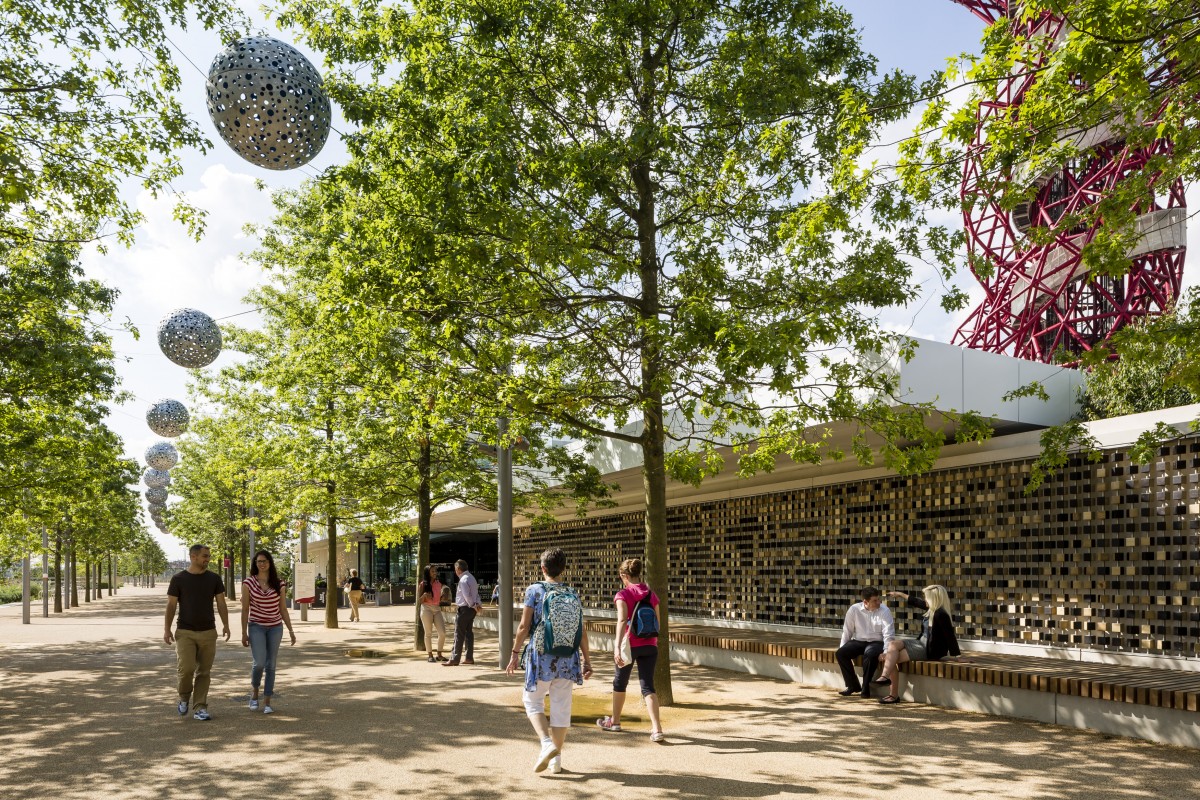
Queen Elizabeth Olympic Park Main Walk

Legacy Planning for Queen Elizabeth Olympic Park

HR&A advised on the development and implementation framework for Queen Elizabeth Olympic Park to secure the economic and community legacy of the 2012 London Games.

The Olympic Park Legacy Company, the quasi-governmental organization established to oversee the development and operation of Queen Elizabeth Olympic Park, invited HR&A to advise on key elements of a new implementation framework that would transform the 2012 Olympic grounds into a network of parks, recreation facilities, and small residential neighborhoods along the River Lea in East London. The Legacy Company sought to create a development framework that would deliver social, economic, and environmental benefits by catalyzing private investment, amenitizing the surrounding areas, and attracting diverse groups of visitors.

The master plan for the Olympic grounds organized five new neighborhoods with two signature parks, 6,000 units of housing, two miles of naturalized waterways, and a system of connections and neighborhood commons that include sporting venues, commercial space, and cultural amenities. Focusing on the 250 acres of parklands, HR&A analyzed best practices for development and activation of post-industrial and post-Olympic landscapes, and emphasized the ability of the parkland’s development parcels to drive property values.


After reviewing the Legacy Company’s previous framework and business plan for the proposed parks, HR&A assessed capital, operations, and management requirements, and identified the financial and organizational resources needed to build and sustain a dynamic park system on the former Olympic grounds. The firm helped develop new capital and operating budgets in-line with recommended strategies to ensure the landscape’s transformation into world-class park system, complete with a dedicated programming and stewardship framework to activate, manage, and maintain the public realm.


The Legacy Company incorporated HR&A’s recommendations to adopt a new perspective on the role of public-realm investment for successful real estate development. The Legacy Company restructured its budget and launched two design competitions, which resulted in award-winning parks and plazas designed by James Corner Field Operations and London-based Erect Architecture. Queen Elizabeth Olympic Park has received over 4.5 million visitors since its 2013 opening, and recently secured funding to develop a new culture and education quarter comprised of university campuses, additional space for the Victoria and Albert museum, and a 600-seat theatre.

Research Triangle Park

For the Research Triangle Foundation in North Carolina, HR&A worked with a multidisciplinary team to create a master plan for the next 50 years of Research Triangle Park’s growth, advising the team on a real estate strategy and on the economic impact of the Park on the region.

Research Triangle Park was the first and most prestigious of its brand of science and technology research parks. Created in 1959 with the support of state and local economic development agencies and the three major universities nearby, the Park catalyzed high-tech employment growth in the region and set the standard for research parks comprised of corporate campuses in a park-like setting.

As part of its work, HR&A:

  • Assessed the sectoral growth opportunities at the Park and in the region, and the physical needs and priorities of companies and workers in those sectors;
  • Based on those physical criteria, informed creation of a master plan for the next generation of park development, including the introduction of a vibrant and sustainable mixed-use district;
  • Evaluated the local real estate market to determine the financial feasibility of new construction and supporting infrastructure; and
  • Recommended a development strategy and business plan for the Foundation to advance the introduction of new uses and infrastructure that will help the Park continue to act as an engine of regional economic growth.

In parallel, HR&A undertook a comprehensive assessment of the economic and fiscal impact of the Park, using longitudinal employment data to determine the Park’s role in generating high-technology employment throughout the Research Triangle region. The study estimated the economic and fiscal impact of this employment, including direct, indirect and induced impacts. HR&A also calculated additional economic benefits including private industry investment, entrepreneurship and the creation of an innovation economy. As the master plan evolved, HR&A expanded its economic assessment to estimate the impact of the regulatory changes and additional development envisioned in the Plan.


HR&A served as an advisor to the Foundation as it worked to implement the Plan. HR&A assisted the Foundation in working with tenants and land owners to facilitate land assemblage for mixed-use development clusters within the Park. HR&A also worked with the Foundation to identify development partners for plan implementation, and to negotiate and structure associated agreements. In September 2014, the Foundation entered into an agreement with Hines to advance the first phase of development.

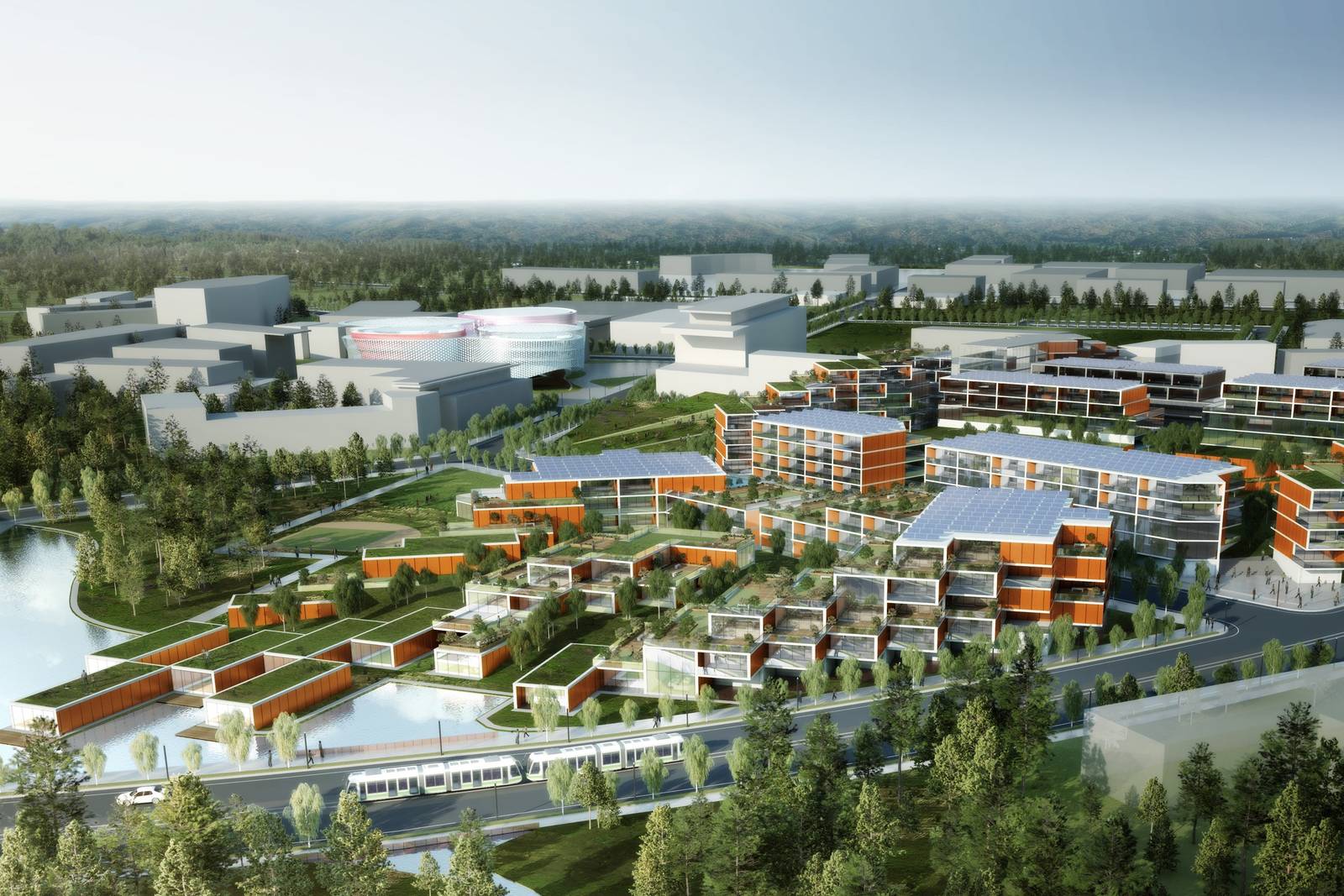
Konza Shop Rendering

Konza Technology City Development Plan

HR&A developed a comprehensive business plan and implementation strategy for Konza Technology City, a transformative technology industry hub outside Nairobi, Kenya. This initiative aims to position Konza as a global center for technology, enabling Kenya to achieve middle-income status and significantly enhance the quality of life for its citizens.

Located on 5,000 acres along the A109 highway, Konza Technology City is poised to attract significant investment and development. Working in partnership with the International Finance Corporation and on behalf of the Government of Kenya, HR&A spearheaded the first phase of development. Our multidisciplinary international team of experts in architecture, planning, engineering, and strategy consulting identified key anchors and market opportunities to prioritize during the initial phase. We devised strategies for financing upfront infrastructure costs while ensuring the master plan is aligned with market realities through a well-structured program and phasing strategy.


A crucial element of our work was the establishment of the Konza Technopolis Development Authority, a special-purpose governance body responsible for overseeing project implementation and attracting developers. In collaboration with local legal advisors, HR&A created a framework for this authority, focusing on sustainable municipal service provision and long-term project success.


HR&A continues to support the Konza Technopolis Development Authority and the Government of Kenya as the city’s first phase unfolds. Our ongoing engagement includes real estate and economic development advisory services, assisting in structuring the new authority, managing the land leasing process, and leading financial planning. Additionally, we are actively involved in the marketing and branding of various developments, leveraging insights from local experts to ensure that Konza Technology City meets its ambitious goals and serves as a catalyst for national growth and innovation.


Renderiong Toronto Waterfront - Lower Yong Precint

Revitalizing the Toronto Waterfront

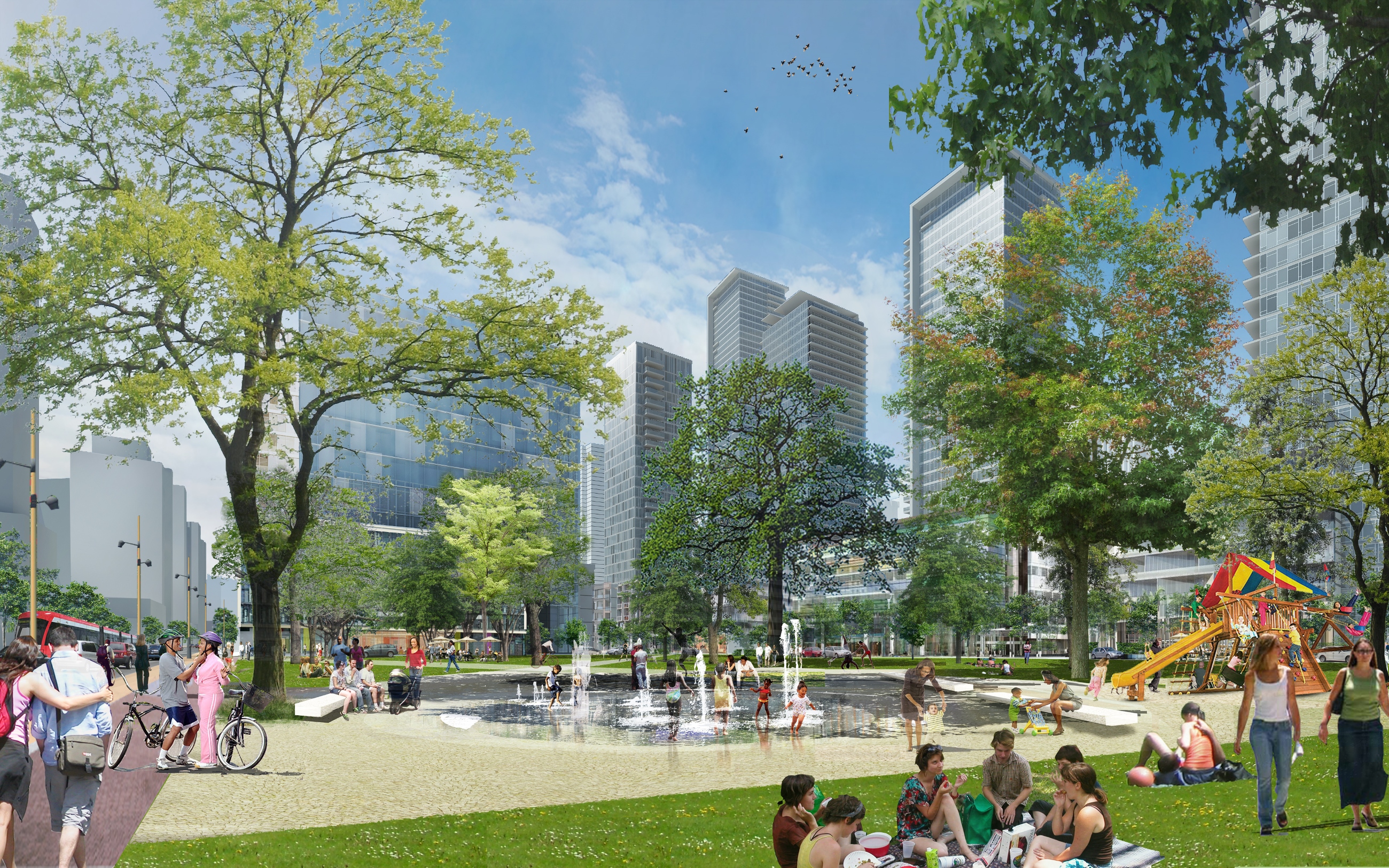
HR&A advised Waterfront Toronto on real estate and economic development strategies to revitalize the Toronto Waterfront. Once completed, this $1.5 billion project will be the largest urban regeneration project in North America.

Waterfront Toronto was established to create a series of new development precincts along Toronto’s Waterfront defined by their high-quality urban real estate development and world class open spaces, and a signature public realm along the Toronto Waterfront. Established as the Toronto Waterfront Revitalization Corporation in 2001, Canada’s municipal, provincial, and federal governments committed public land holdings and $1.5 billion to create waterfront recreational amenities, new housing, and commercial spaces to support Toronto’s future competitiveness.

HR&A provided economic analysis underpinning some of the most significant infrastructure decisions in the Toronto waterfront lands.

HR&A assessed the feasibility and the economic benefits of naturalizing the mouth of the Don River, a $500 million capital project that will create new urban neighborhoods by flood protecting over 200 hectares of Toronto’s waterfront lands. In August 2010, Toronto City Council unanimously passed an Official Plan amendment for the Lower Don Lands and a new zoning by-law for the Lower Don Lands first precinct, the Keating Channel. HR&A has provided peer review resources for Waterfront Toronto as it pursues further business planning for this major capital investment.

HR&A studied the economic implications of altering Toronto’s Gardiner Expressway

HR&A produced the economic cost-benefit analysis for the Integrated Environmental Assessment and Urban Design Study of options to replace, improve, or remove a segment of the elevated Gardiner Expressway east of downtown Toronto. Additionally, HR&A helped to structure and organize an international design competition examining urban design implications of the alternatives.

HR&A supported master planning for a key privately-owned waterfront site.

For a critical site whose development will support the growth of the Toronto waterfront as a residential and retail destination, as well as the financing of future public infrastructure investment, HR&A collaborated with a world-class design team to create a master plan that will integrate retail and food and beverage uses with dense urban housing and a vibrant public realm. HR&A provided strategic development advice on master planning feasibility, land use regulation, financial sustainability, and the programming of open space and the public realm.

HR&A prepared a feasibility study and financing options for Canada Square, a new civic park on the York Quay site adjacent to Harbourfront Centre.

HR&A prepared a financial feasibility assessment, developed capital investment options, produced an ongoing operations model, and guided planning and design for the new park and complementary mixed-used development, including potential cultural, hotel, retail, and parking uses adjacent to the new park. The York Quay Revitalization project is currently funded and in the final design stage of development.

HR&A developed a maintenance and operations funding strategy for 1,100 acres of new parkland on the Lake Ontario waterfront.

Leading a team of experts, HR&A examined budgets and best practices from municipal park systems and signature parks throughout North America. Our strategy rested on development of significant new revenue sources, a capital preservation fund and a governance structure that identifies entities responsible for funding and/or maintaining the new world-class parks. Toronto City Council adopted HR&A’s strategy in November 2008.


Images Courtesy of:  City of Toronto

St. Paul Union Depot Exterior

Union Depot Redevelopment and Activation

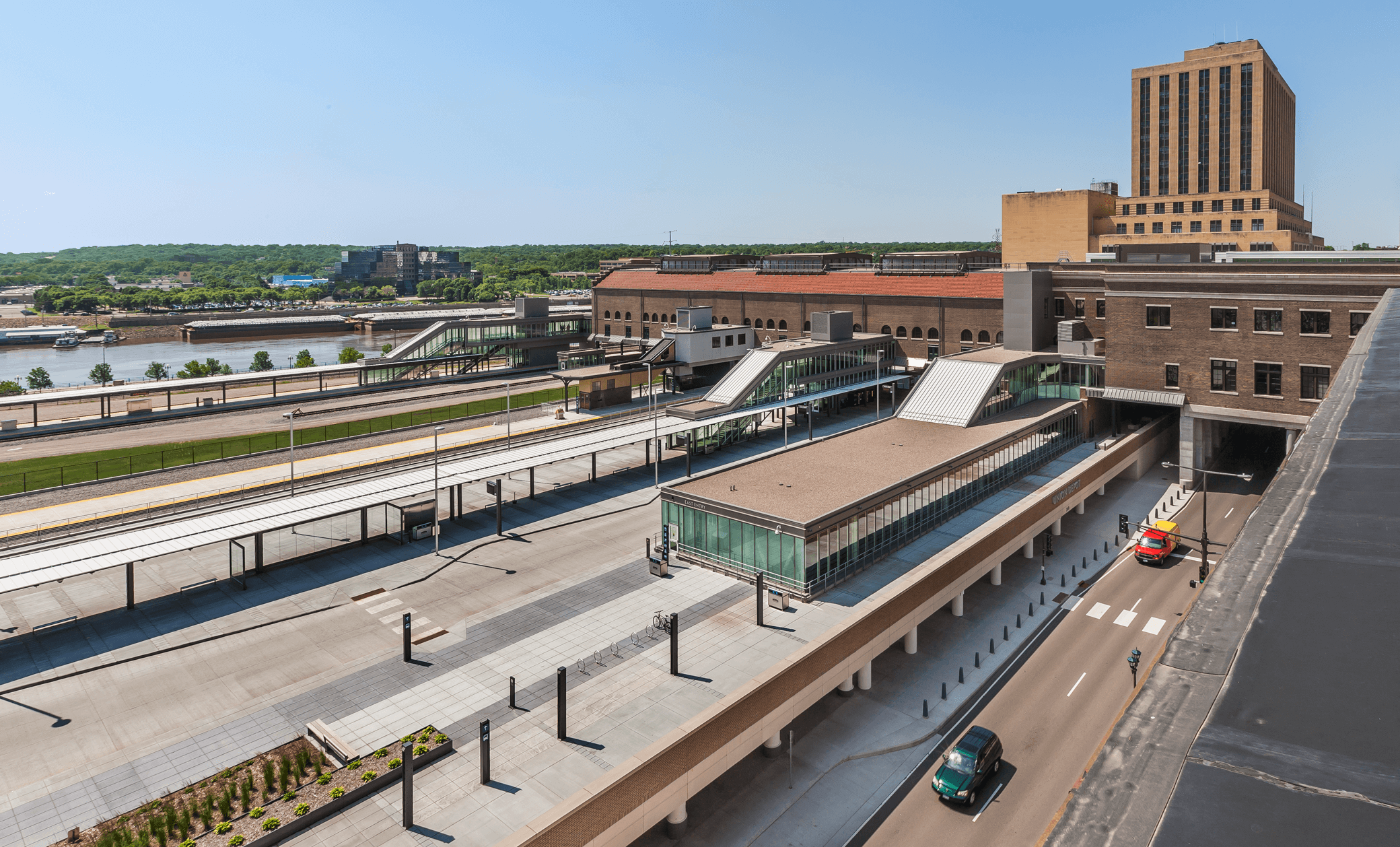
For Union Depot, a multi-modal transportation center in St. Paul, Minnesota, HR&A designed and implemented a redevelopment and activation strategy that maximized the economic and fiscal benefits generated from its redevelopment.

HR&A served as strategic real estate advisor to the Ramsey County Regional Railroad Authority for the redevelopment of the historic Union Depot from 2010 through 2012. This $238 million dollar project, funded in part by the American Recovery & Redevelopment Act of 2009, connected Amtrak and regional and local bus services, and will serve as a terminus of the Central Corridor Light Rail between St. Paul and Minneapolis, among other longer-term transitways for the region.

Since opening its doors, Union Depot has become the living room for the Lowertown neighborhood and a destination for residents from across the region.

HR&A first led a multidisciplinary team to prepare an economic analysis and development strategy for the Union Depot in 2010. The firm managed the team to produce a market analysis for real estate development; recommended a preferred development program for the station that includes a robust program of public and private events, as well as a distinctive retail destination and marketplace; established a transit-oriented development strategy for adjacent land; analyzed the economic benefits of project implementation; and generated an implementation and stewardship structure for ongoing project success. RCRRA’s Board endorsed HR&A’s recommendations for the development strategy in late 2010, and engaged HR&A to lead the procurement necessary for implementation.


HR&A drafted the developer solicitation document that was released by RCRRA in December 2011 alongside a Request for Proposals for property management and bicycle center operations. HR&A helped RCRRA market the opportunity and, following a strong response from the private sector, supported RCRRA in selecting an asset manager who is responsible for activating and developing community and commercial components of the project, as well as providing property management services. The contract was structured to incentivize revenue generation within the facility, as well as the activation of public spaces in and around the Union Depot building.


Union Depot now hosts regular public programs, is home to signature works of art by local artists, and is building demand for major retail and restaurant investments.


Wilshire Grand Render

Wilshire Grand Redevelopment

HR&A assessed the economic and fiscal impacts of the Wilshire Grand Tower to justify public investment in the tallest building in Los Angeles.

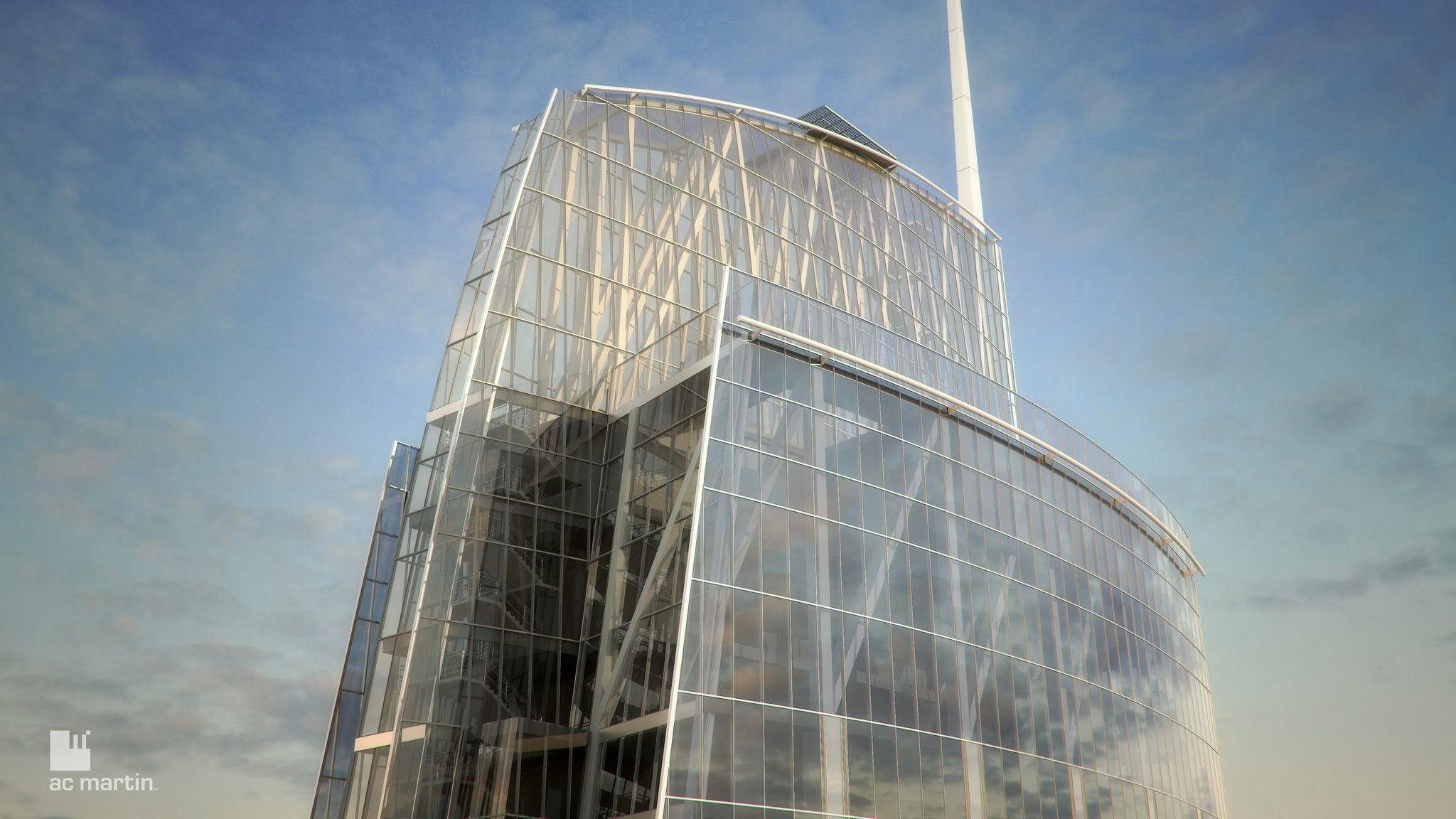
For Hanjin International and Thomas Properties Group, HR&A prepared the detailed economic and tax revenue analyses components of a proposal to replace Los Angeles’ obsolete Wilshire Grand hotel with a 2.4 million square foot, mixed-use development. The development,  located in Los Angeles’ central business district, will house a five-star luxury hotel, Class-A office space, 100 condominiums, and retail to draw international businesses to downtown Los Angeles. Once completed in 2017, the 73-story Wilshire Grand will be the first high-rise office building constructed in Downtown Los Angeles in over 20 years.

Our analysis demonstrated that the new development would generate sufficient net new revenues to justify a subvention agreement, with the City committing 50 percent of the project’s transient occupancy tax revenue for a fixed period of time to aide development feasibility. HR&A participated in working group sessions with senior City staff and the City’s outside real estate advisor to confirm analysis assumptions and results.


The Los Angeles City Council unanimously approved the financial structure of the subvention in 2011. The Wilshire Grand Tower was completed in June 2017.

Griffiss Air Force Base Realignment

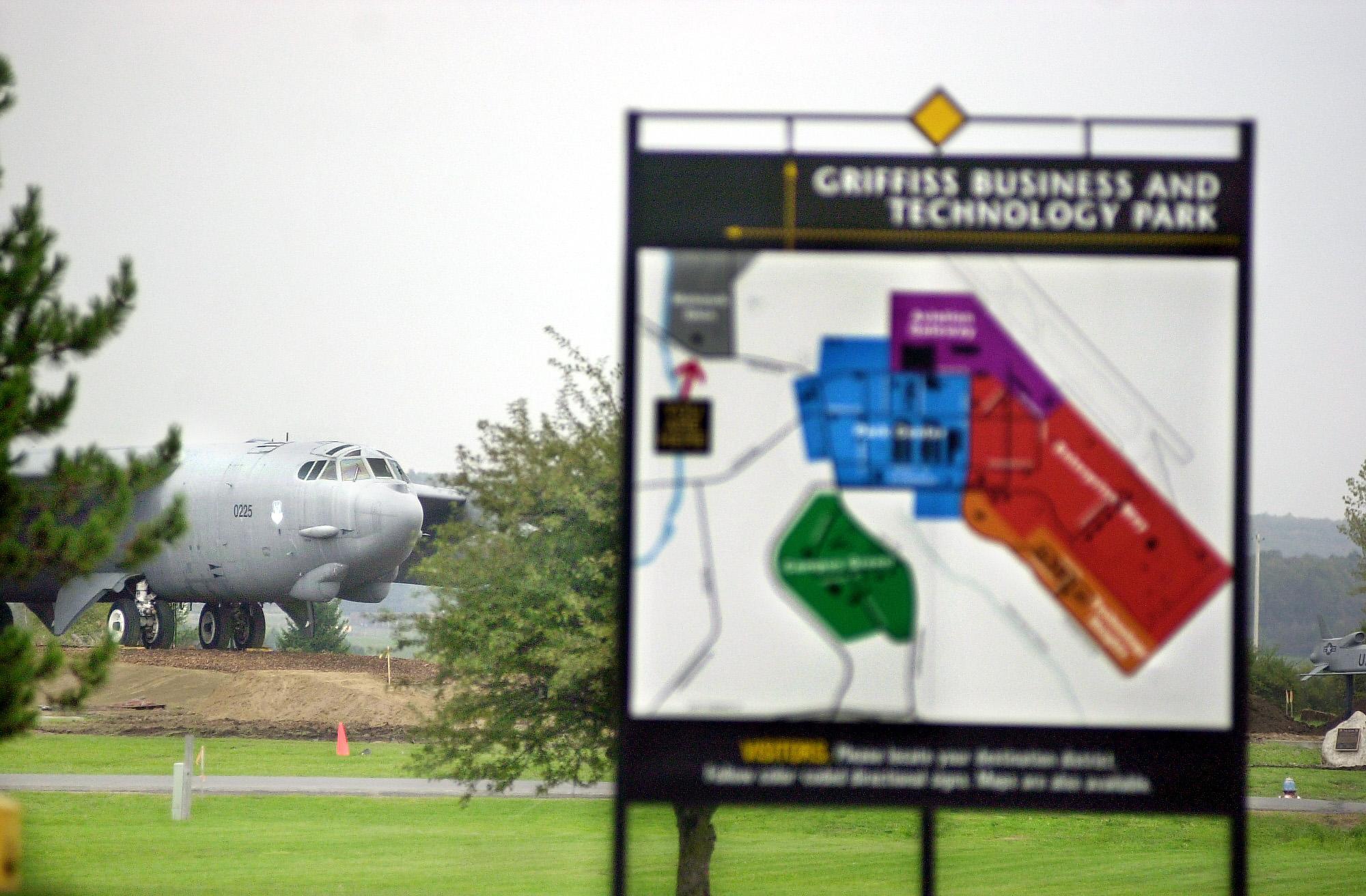
HR&A led the Base Realignment and Closure process for the Griffiss Air Force Base, which was successfully redeveloped into a Business and Technology Park.

HR&A worked with Oneida County and a variety of local stakeholders in Upstate New York on the re-use of Griffiss Air Force Base, a 3,500-acre military facility slated for realignment by the Base Closure and Realignment Commission (BRAC). The Base served as a major regional economic driver, and its redevelopment was vital to maintaining economic stability in the County. Through 2010, the re-use of the base as a Griffiss Business and Technology Park has attracted approximately 75 businesses and 5,500 jobs in technology, manufacturing, aviation, office, education and recreation.

Griffiss Business and Technology Business Park has since exceeded all development targets established in the HR&A-developed plan.

HR&A led a project team to:


Analyze real estate, aviation, and land use issues;

Prepare a financial feasibility analysis for a range of proposed industrial, commercial, and recreational uses;

Create a capital investment program and implementation plan;

Prepare the Economic Development Conveyance application for this facility (including a projection of the new jobs and economic activity that redevelopment would create); and

Assist in the land transfer.

HR&A also led the successful effort to save the co-located Rome Air Lab from closure.

In 1993, the Rome Air Laboratory, one of the eight research and development labs run by the US Air Force and located on the Griffiss Base, was facing closure. HR&A served as the community’s consultant in the successful effort to save the Lab, a military “super laboratory”. We guided a team of lobbyists, science and technology experts, econometric modelers and marketing professionals to justify preserving Rome Lab to the Air Force and the Department of Defense, as well as to Congressional and White House officials. Due to HR&A’s work, the Lab was spared closure. HR&A also coordinated a similarly successful effort for the 2005 BRAC review round, which resulted in continued civilian and military employment at Rome Lab.

Green Lease Forum

HR&A brought together a diverse array of New York City industry leaders to develop strategies that resulted in creation of the nation’s first true green commercial lease.

The cost and benefits of energy efficiency investments in commercial office buildings are distributed unequally between owners and tenants. Landlords responsible for making capital investments in base building systems are unable to pass costs along to tenants, and tenants disproportionately enjoy the benefits of such investments. A similar split incentive may occur in tenanted spaces where landlords select equipment but tenants are responsible for operating costs, and/or where metering arrangements do not permit tenants to monitor their own usage. This misalignment of incentives hampers efforts to encourage green policies in commercial buildings.

HR&A addressed the split incentives between commercial building owners and tenants by guiding the creation of a forum to examine the opportunity for green leases.

With principal funding from the New York State Energy Research and Development Authority (NYSERDA) and program design and implementation led by HR&A, in 2008 the Natural Resources Defense Council (NRDC) convened a group of 50 individuals representing New York City’s leading real estate owners, major tenants, environmental advocacy groups, and commercial leasing and building systems professionals. NRDC asked HR&A to staff the group and lead its deliberations.


This diverse group of industry experts had never engaged in structured dialogue about an issue of mutual concern before; indeed, many had never met each other before. Over the course of three sessions, HR&A facilitated conversations which led the participants to agree to broadly acceptable basic principles and guidance for lease negotiations that are designed to reward efficiency investments – a landmark achievement. The participating real estate professionals established consensus on three common-sense leasing principles to advance energy efficiency in commercial buildings:


  • Landlords should operate buildings and tenants should operate their premises as efficiently as is feasible;
  • For any given installation, responsibility for capital costs and the benefits of savings should reside with the same entity; and
  • To the extent feasible, both consumption and demand for resources throughout buildings should be measurable and transparent to both landlords and tenants.

HR&A’s work ultimately led to the creation of the nation’s first true “green lease,” which more appropriately shares the costs as well as the benefits of energy efficiency improvements among owners and tenants.

The findings and principles agreed upon during the Green Lease Forum led to the creation of the foundation document used by the New York City Mayor’s Office of Long Term Planning and Sustainability Green Lease Task Force, which was convened in 2010. Utilizing the principles developed by HR&A, the Mayor’s Office drafted and promulgated model green lease language which resulted in the first true green lease being signed in early 2011 between Silverstein Properties and the law firm Wilmer Hale at 7 World Trade Center. This pioneering green lease language is now a requirement for all new commercial office lease negotiations for City-occupied space in New York City.

Downtown Cincinnati Revitalization

HR&A recommended a bold strategy to revitalize Cincinnati’s Downtown, then worked with corporate, civic and governmental leaders to establish the Center City Development Corporation (3CDC), which has so successfully led the transformation of Fountain Square and Over-the-Rhine.

HR&A designed and supported the creation of 3CDC, a public-private development corporation, to steward revitalization and on-going development in Downtown Cincinnati. In 2004, 3CDC, in partnership with the City of Cincinnati began a two-year, $49 million renovation of Fountain Square. The completed project has brought people back to Downtown Cincinnati in record numbers, has spurred investment of over $125 million in additional private investment in the Fountain Square District, and continues to serve as a catalyst for new residential, retail and restaurant development in the region.

HR&A worked as the real estate and public policy advisor for the planning of Cincinnati’s Downtown.

Working in partnership with the City of Cincinnati, Downtown Cincinnati, Inc., the Cincinnati Business Committee, and master planning firm Cooper Robertson & Partners, HR&A crafted a strategic investment plan that addressed a number of Downtown planning and development issues, including enlivening Fountain Square.


Fountain Square, the traditional heart of Cincinnati suffered from poor design, an absence of programming and lack of maintenance, resulting in a void of life and activity Downtown. HR&A helped to create 3CDC to guide the redevelopment of the Square, conceived of an innovative financing structure, framed a programming strategy, and shaped the redesign of the public plaza. In the years since, 3CDC has proven to be a successful public-private partnership, serving as the principal advocate and steward of Downtown and its core assets.


HR&A also provided strategic implementation direction for revitalization of the city’s most troubled neighborhood, Over-the-Rhine.

Over-the-Rhine, the site of riots in 2001, was crippled by residential and commercial disinvestment, a lack of retail options, and entrenched crime. In response, HR&A recommended a range of interventions including targeted public sector investments such as the redevelopment of its signature open space, creating new parking options, and buying and rehabilitating deteriorated multifamily housing units. We suggested a robust public-private partnership to facilitate reinvestment throughout the neighborhood, plus a regulatory system with revised design guidelines to create a physical sense of identity by complementing and celebrating the neighborhood’s historic architectural fabric. Today, Over-the-Rhine is enjoying a startling turnaround and is heralded nationally as a success story in neighborhood revitalization. Over-the-Rhine is now the center of Cincinnati’s thriving arts community, historic buildings have been renovated into a variety of housing and retail options, major new mixed-use projects have recently come online, and crime has decreased substantially.


  • International Economic Development Council Partnership Award, 2009­