LIRR Third Track: From Economic Study to Construction

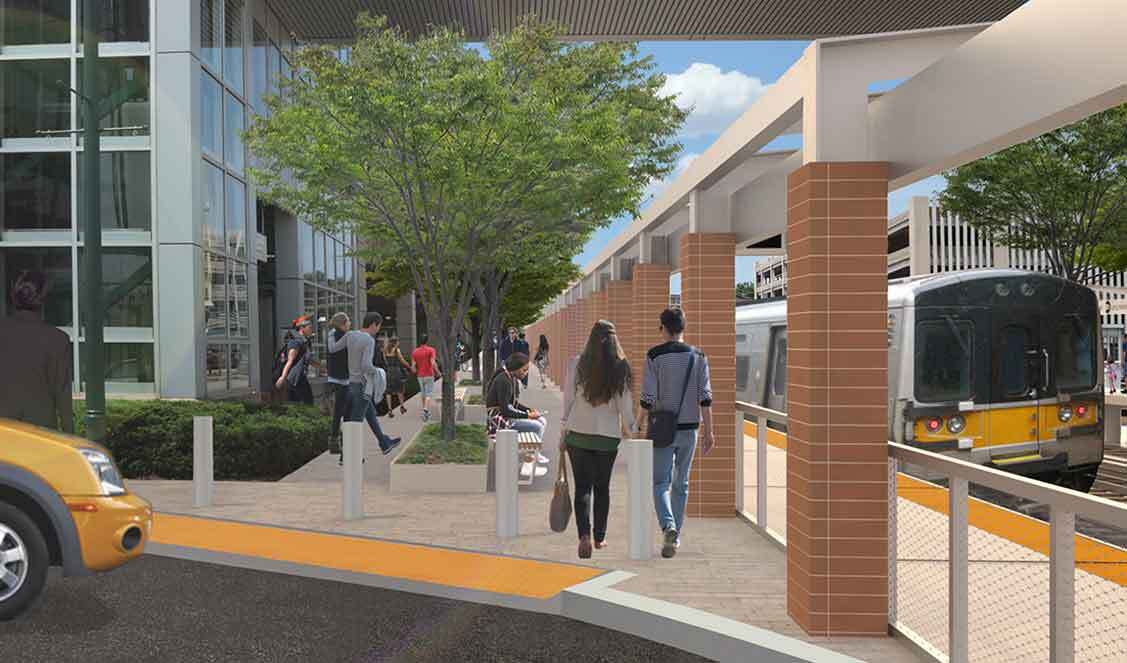
On behalf of the Long Island Index, HR&A conducted a comprehensive study of the economic and fiscal impacts of the proposed Long Island Rail Road (LIRR) Main Line Third Track project. The project will add an additional track to a 10 mile segment of the LIRR between Floral Park and Hicksville, improving system reliability and significantly enhancing reverse peak service to and from Long Island. Initially part of the Metropolitan Transit Authority’s (MTA) 5-year capital plan, the project was met with significant opposition from local elected officials and affected communities. In an effort to resuscitate the project, HR&A undertook complex and dynamic economic modeling to quantify the benefits of improved employer access to a skilled regional workforce, higher productivity in denser transit-oriented employment nodes, and rider time savings. Using transportation impacts modeled by project partner Parsons Brinckerhoff, HR&A employed the REMI Policy Insight model to estimate benefits the project would generate for Long Island during its construction and operational phases.

HR&A found that by improving regional mobility, Third Track will position Long Island for sustained economic growth by making it a more attractive place to live and work. Implementing Third Track and enacting complementary land use policies facilitating transit-oriented development (TOD) in station areas would generate 14,000 new jobs on Long Island by 2035, along with $5.6 billion in annual gross regional product and $143 million in annual tax revenues to Nassau and Suffolk Counties. Long Island would also attract 35,000 new residents by 2035, helping stem the outflow of talented young workers and their families. During the five-year construction phase, Third Track would generate $910 million in gross regional product and an average of 2,250 jobs annually, providing employment opportunities for construction workers hit hard by the Great Recession. HR&A summarized its findings in a compelling, graphically strong briefing book that has enabled the Long Island Index to communicate the benefits of Third Track to a range of stakeholders, including the Metropolitan Transit Authority (MTA) and LIRR, elected officials, businesses, and residents. The study was instrumental in reviving the project and winning approval and funding from New York Governor Cuomo. The $2 billion project is now under construction and is expected to be completed by late 2022.


Press:

Study: 3rd track on LIRR Main Line would boost service, economy
NYC Internet Master Plan

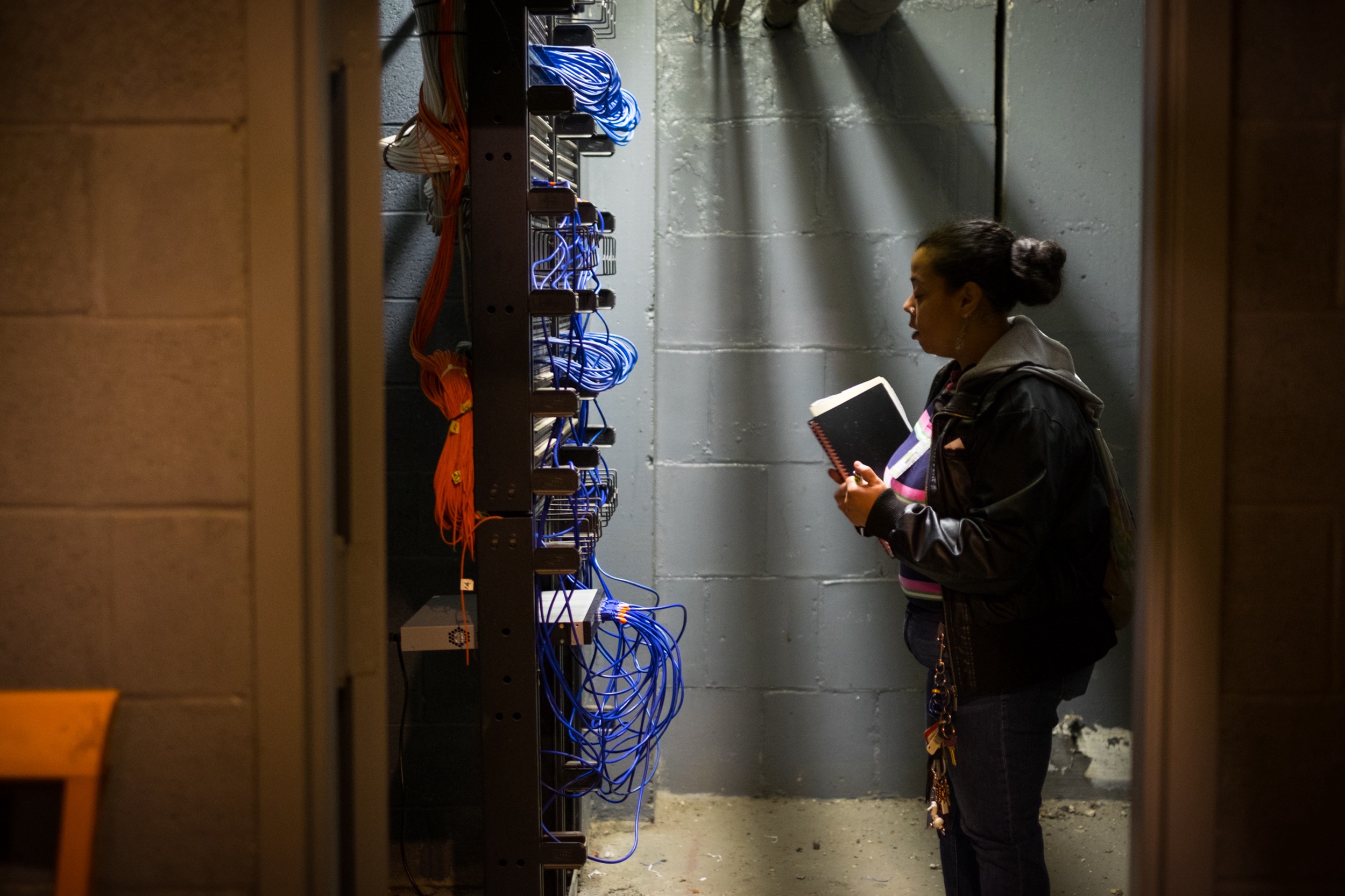
NYC’s groundbreaking Internet Master Plan lays the foundation for more equitable internet infrastructure, unlocking private sector innovation to connect all New Yorkers to expanded economic opportunity.

Challenge

High-speed internet access is the seminal infrastructure of the 21st Century and will shape the future of New York City. If made affordable and accessible to everyone, broadband can be a lever for increasing opportunity for residents, expanding the City’s position as a global economic leader, and supporting NYC as the fairest big city in America. Failure to connect all New Yorkers all but guarantees that some portion of the population will be left behind.


Broadband connectivity is a prerequisite to economic inclusion, yet nearly one third of NYC households (29%) currently do not have broadband in their homes. A striking 18% of city residents—more than 1.5 million New Yorkers—have neither a mobile connection nor a home broadband connection, yet both are required for full connectivity. Choice among residential broadband providers—a key driver of affordability, performance, and privacy—is limited relatively wealthy and dense neighborhoods. Today, commercial fiber is concentrated in Manhattan, starkly disadvantaging the economic viability of the City’s outer boroughs.


Solution

HR&A worked with the Mayor’s Office of the Chief Technology Officer (MOCTO) to identify challenges, opportunities, and ambitions to deliver broadband infrastructure in New York City. We led an interdisciplinary team to craft an expansive outlook including:

  • A future-proof approach to infrastructure design and delivery
  • Strategies to leverage City assets for broadband use, creating value for public and private partners
  • A preferred business model and recommended public-private financing strategy for implementation
  • A governance strategy that consolidates oversight and reflects broadband’s status as core infrastructure
  • A benefits case for ubiquitous, affordable broadband, quantifying the economic and fiscal impacts associated with greater access for households, businesses, and improved municipal services
  • Potential initial implementation approaches that quickly make a difference in the lives of New Yorkers and serve as meaningful steppingstones to a longer-term implementation roadmap


Impact

The HR&A team’s research, findings, and recommendations have shaped the City’s first ever Internet Master Plan, released in January 2020.


The plan charts a path to expand the City’s role in broadband infrastructure and service delivery by facilitating public partnerships to fill gaps in the market, close the digital divide, and deliver universal, affordable broadband to all New Yorkers. The plan has been lauded by experts in the telecommunications and public policy. In a Brookings article titled “New York City and the FCC have two very different plans for expanding broadband access”, Nonresident Senior Fellow, Blair Levin praised the Internet Master Plan’s novel approach to combating broadband challenges through multi-stakeholder partnerships and prioritized problem-solving.


Reliable high-speed internet is a prerequisite for full participation in our society; when COVID-19 hit, home broadband became undeniably essential. In May 2020, the City established the Universal Solicitation for Broadband (USB), a new procurement strategy outlined in the Internet Master Plan, with a Request for Expressions of Interest (RFEI) for ready-to-deploy ideas for free and low-cost internet service to New York City Housing Authority (NYCHA) residents.


In July 2020, the City doubled down on universal broadband to advance racial inclusion and equity through COVID-19 response and recovery. Mayor Bill de Blasio announced the acceleration of the Internet Master Plan, committing $157 million to expand affordable broadband access to 600,000 New Yorkers, including 200,000 NYCHA residents. New York City’s commitment and strategy is among the boldest plays of any city in the country to achieving universal broadband.


Check out the full Internet Master Plan here and read coverage from national and local news sources including, Gothamist, City & State, Next City, State Scoop, Ars Technica and CNET.


For questions and inquiries, please contact Danny Fuchs at danny@hraadvisors.com or (212) 977-6171.

The High Line Transformation

HR&A demonstrated the economic rationale for transforming the High Line into a vibrant public park. The park, created by Robert Hammond and Joshua David, reinvigorated Manhattan’s far west side with new jobs, mixed-income housing, and arts and cultural development, providing an internationally-renowned model of civic leadership.

The High Line, an elevated freight railway running 1.8 miles along Manhattan’s far west side, was built in the 1930s as part of a public works project to remove trains from the street level. After decades of abandonment and disuse, the mayor of New York City signed an order to demolish the High Line in 1999. Visionary neighborhood residents formed Friends of the High Line, a non-profit organization that pledged to preserve the historic structure and create a neighborhood public amenity by converting the abandoned railway into a public park.

HR&A has supported the Friends of the High Line throughout the development and operation of the High Line

  • HR&A prepared an economic and fiscal impact study to demonstrate that the economic and social benefits of such a conversion would far outweigh the necessary capital costs of development.
  • We also worked with Friends of the High Line and the New York City Department of City Planning to craft the award-winning West Chelsea rezoning, which allowed the transferal of air rights under and around the High Line to nearby land parcels. The rezoning preserved private property rights, protected the historic railway structure, catalyzed contextual real estate development, and enhanced the position of West Chelsea and the Meatpacking District the center for art and culture in Manhattan.
  • HR&A worked closely with Friends of the High Line to create the park’s operating model and transform advocacy organization into a conservancy. Relying on an agreement with the Parks Department, Friends of the High Line is responsible managing the park’s public space, which receives over three million visitors a year.
  • Despite the Bloomberg administration’s embrace of the High Line’s first two sections, the final and most beautiful section was threatened with demolition as part of the Hudson Yards development. Even before a developer was selected, HR&A supported the Friends of the High Line in its successful effort to ensure the preservation of the entire structure.

HR&A Chairman, John Alschuler served as Board Chair of Friends of the High Line from 2009 to 2014.

The park opened to the public in 2009 to tremendous success, and now sees over five million annual visitors. Over 30 new residential commercial, and cultural development projects have been planned or constructed in the area, including Frank Gehry’s IAC Interactive headquarters, Jean Nouvel’s 100 11th Avenue residential condominium building, and a new home for the Whitney Museum designed by Renzo Piano. HR&A continues to support to Friends of the High line, providing economic and fiscal analysis to determine the High Line’s impact on the City’s municipal property tax revenues and net new economic activity.


International Economic Development Council Neighbourhood Development Prize, 2010

Images Courtesy of: Iwan Baan

Redevelopment Strategy and Entitlement Management in Long Island City

CHALLENGE

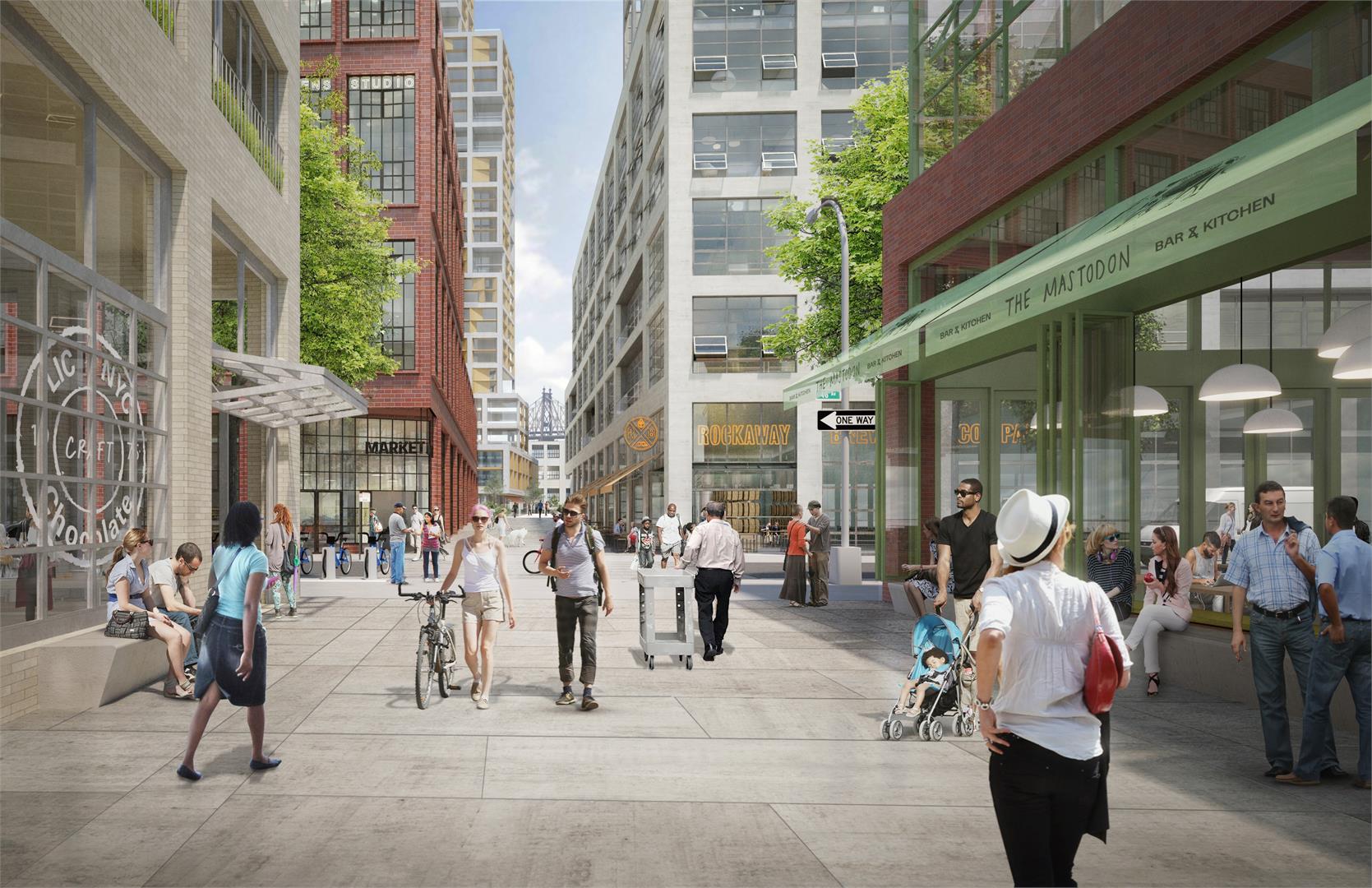
Plaxall is a family-owned plastics manufacturing company operating in Long Island City, Queens for more than 70 years. Over seven decades, the family invested in local cultural and community institutions and acquired a significant portfolio of properties. Their holdings include a 12-acre assemblage surrounding Anable Basin and along the East River, which features spectacular views of Midtown Manhattan. However, the site’s obsolete built form and low-density industrial zoning prevents Plaxall from realizing the true value of its unique waterfront property in one the nation’s strongest markets for new development.

SOLUTION

Alongside a team of architects and land use attorneys, HR&A worked with Plaxall to design a development vision for the future of Anable Basin to create long-term value for Plaxall’s shareholders while addressing community needs and City policy goals.
 
Drawing on our deep understanding of New York City’s policy priorities, HR&A recognized that Plaxall’s experience with light industrial and artist tenants would be a key asset in discussions with the City. The team devised a unique plan that integrated industrial and artist space into new residential buildings, addressing local interest in job creation and fears of industrial displacement. The plan comprised almost 5 million square feet of new development, including 5,000 mixed-income residential units, and more than three acres of waterfront open space. The design of building forms reflects the neighborhood’s industrial heritage.
 
HR&A oversaw all planning activities associated with the site, including managing a 9-firm consultant team, evaluating the financial performance of this pioneering mixed-use development, leading engagement with City leadership on a rezoning, overseeing a successful application process to New York State’s Brownfield Cleanup Program, and working with Plaxall to create a long-term redevelopment strategy.


IMPACT

In fall 2018, Amazon selected the Anable Basin site as one of two main sites for the company’s East Coast headquarters, though it ultimately withdrew its selection. Since then, Plaxall has partnered with neighboring developers in the YourLIC consortium, which has engaged with City Council leadership and community stakeholders in a visioning process for redeveloping 28 acres of the Long Island City waterfront.

Climate Adaptation Strategy for Lower Manhattan

Challenge

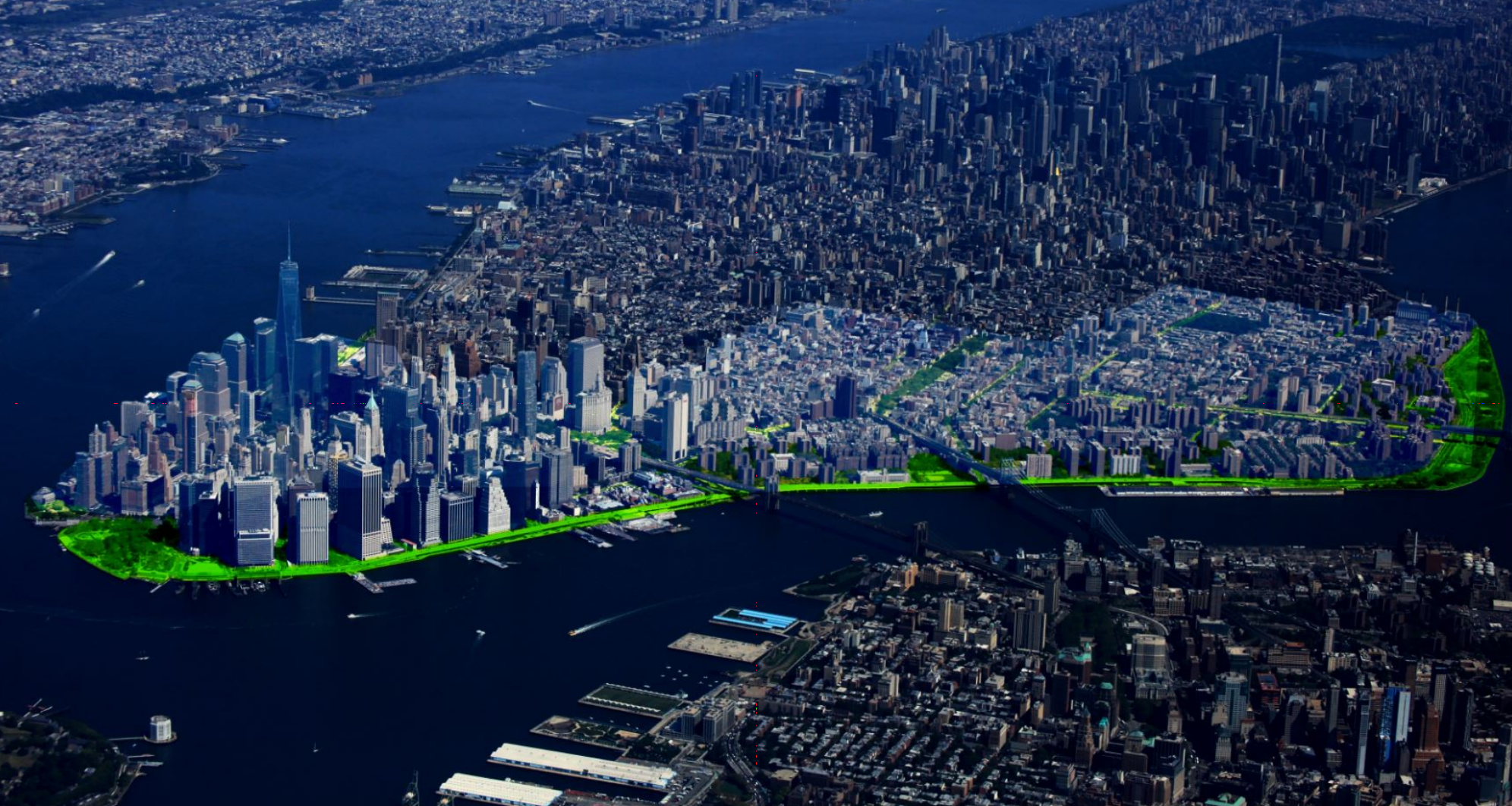
New York City, like many other coastal cities around the world, must face the realities of climate changes and its impact on the urban environment. Over the next century, regular tidal flooding caused by rising sea levels, coastal surge from stronger and more frequent storm events, heavier precipitation, and higher temperatures will all impact New York City and threaten its quality of life and economic vitality. Lower Manhattan, due to its global importance and heightened exposure, is one of the most vulnerable neighborhoods in the City.
 
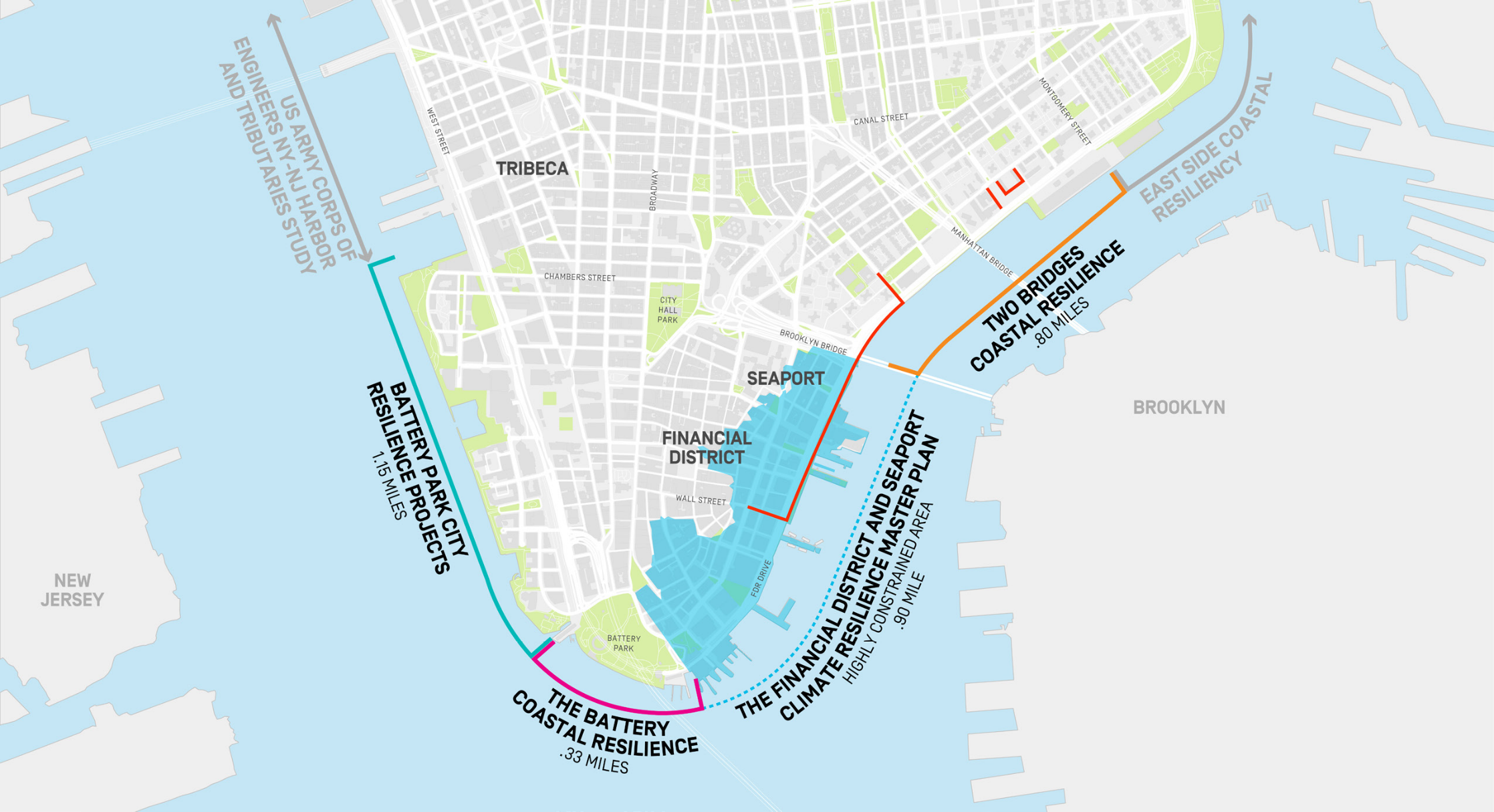
The New York City Economic Development Corporation and the New York City Mayor’s Office of Recovery and Resiliency engaged HR&A to co-lead a team that developed a strategic plan for Lower Manhattan as part of the Lower Manhattan Coastal Resiliency Study.

Solution

Drawing on deep experience with the dynamics of Lower Manhattan and the design and implementation of innovative climate adaptation strategies, HR&A and the team undertook a climate vulnerability assessment that looked at long-term climate hazards, including chronic stresses, to inform the development of potential strategies for Lower Manhattan’s resilience. Strategies were evaluated based on the ability to mitigate against climate hazards and their positive economic and community impacts.
 

Impact

As part of the Study’s development, HR&A conducted a financial feasibility assessment and identified a series of next steps towards implementation. The recommendations of the study were released as part of Mayor de Blasio’s March 2019 announcement for a Lower Manhattan Climate Resilience plan, including a bold op-ed penned for New York Magazine. The City is currently moving to develop a master plan focused on climate adaption in the Financial District and Seaport.

Climate Ready Boston Climate Adaptation Strategy

The City of Boston developed a climate adaptation plan to address emerging climate challenges while planning for future growth.

Challenge

A dense, coastal and riverine city partially built on tidal fill, Boston is confronting significant climate challenges. As the City planned for equitable growth through its comprehensive plan Imagine Boston 2030, it sought to understand local vulnerabilities to the changing climate and what actions it could take to prepare.
 
The City of Boston and the Green Ribbon Commission engaged HR&A and a team a climate scientists, engineers, planners, and designers to develop Climate Ready Boston, a comprehensive climate adaptation plan for the city and the regional systems it relies on.

Solution

The team first assessed how Boston’s climate will change throughout the 21st century, developing up-to-date, localized, consensus projections for multiple climate factors. Using those projections, the team evaluated the city’s current and future exposure to climate hazards – extreme heat, stormwater flooding, and coastal and riverine flooding – and quantified the potential impact on the city’s people, buildings, infrastructure, and economy.
 
With a clearer understanding of near- and long-term risk, the team recommended actions to improve Boston’s climate preparedness and increase citywide resilience. The team identified each action through HR&A’s five key principles of resilience-building to generate multiple benefits, leverage multiple funding sources, incorporate local involvement, create layered solutions, and leverage regular building cycles to rehabilitate and improve over time.
 
These actions were incorporated into a phased strategy and implementation plan, which includes roles and responsibilities, timing, and key milestones. HR&A aligned the findings and recommendations from Climate Ready Boston with the Imagine Boston 2030 comprehensive plan. As Boston is a waterfront city, many of the growth areas identified in Imagine Boston 2030, along with many existing stable neighborhoods, are in the current or future floodplain. To grow in these areas, Boston will need to implement multi-layered solutions for flood resilience and leverage some of the value of new development to support these solutions.
 

Impact

The City and the Green Ribbon Commission released Climate Ready Boston in 2016, and have since launched many of the recommended initiatives to increase Boston’s ability to thrive in the face of intensifying climate hazards. These actions will improve quality of life for all residents, especially the most vulnerable, and create stronger neighborhoods and a healthier environment.
 

READ THE FULL REPORT

Innovation Asset Assessment for Lehigh University

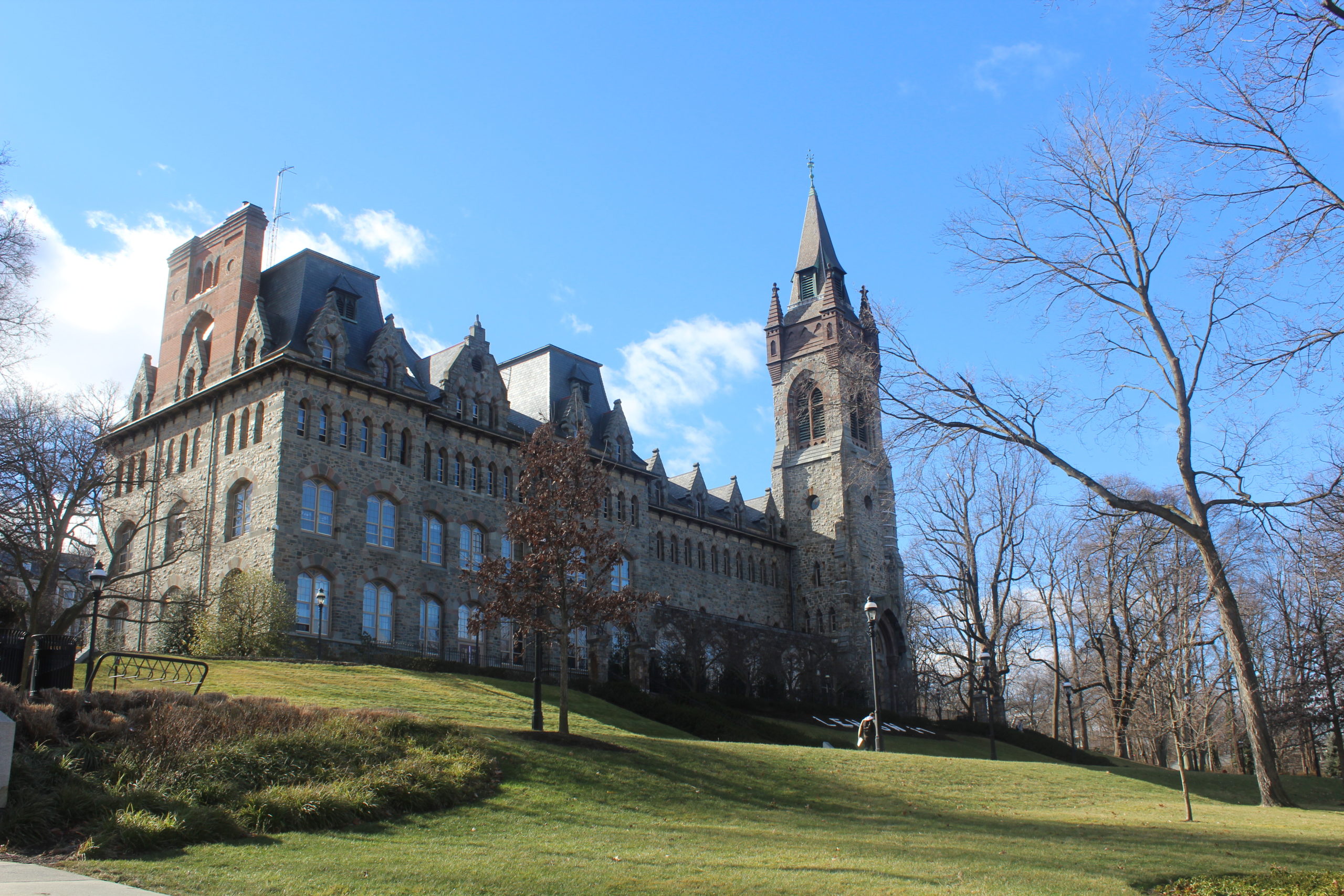
Lehigh University identified its best opportunities for development that reflect the university’s programmatic and innovation strengths, as well as the real estate potential of the Lehigh Valley.

CHALLENGE

Lehigh University, a private research university in Bethlehem, Pennsylvania, sought to strengthen its research capabilities by building its first innovation campus and redeveloping two additional non-core campuses. As a growing regional university in a tertiary market, Lehigh’s real estate group wanted to better understand the program alignment for an innovation campus and the market potential for real estate development and industry partnerships. HR&A worked with Lehigh’s real estate team to generate excitement and momentum for the redevelopment of its non-core real estate assets by crafting a feasible development vision and detailed strategies for development, funding, activation, and governance.

Solution

Through HR&A’s analysis of market potential, discussions with industry leaders in the Lehigh Valley, and collaboration with some of Lehigh University’s top academic researchers, HR&A recommended a holistic redevelopment approach.

The university would align its campuses around the development of new concepts and ideas, where each campus offers unique opportunities to entrepreneurs and researchers at every stage of business development – from basic research through start-ups and maturation. This work guided the university’s in moving forward with a clear vision and actionable strategies for each campus to foster innovation in Lehigh Valley and elevate the university’s standing as a premiere research university.

Impact

As of August 2018, the University is moving forward with a solicitation process to identify a private sector partner for a revenue-positive first phase of redevelopment.

Capacity Building for the National Disaster Resilience Competition

The National Disaster Resilience Competition institutionalized the practice of resilience in cities across the country.

CHALLENGE

To confront increasing physical vulnerability to the effects of climate change and decreasing public funding available for infrastructure and community development, the U.S. Department of Housing and Urban Development (HUD) and the Rockefeller Foundation partnered to transform resilience building policy and practice through the National Disaster Resilience Competition. In 2014, President Obama allocated $1 billion in HUD funding to competition winners, which were selected from places that suffered presidentially-declared disasters between 2011 and 2013.

Solution

HR&A supported the Rockefeller Foundation’s management of the program, providing technical support for 67 cities, states, and counties as each prepared competition submissions. This work ensured that the projects and programs would respond to a broad array of climate-related risk, and address social, economic and environmental challenges. HR&A also designed and delivered a capacity-building program for participants that provided individual technical support to teams to guide them through proposal development; regional “Resilience Academies” that brought together a network of experts to support teams in assessing risk and developing strategies and projects to address them; and tools and other resources to help interpret HUD guidance.
 

IMPACT

The competition enhanced local, state, and regional resilience techniques by offering resources and encouraging partnerships to amplify potential financial and social benefits activated by federal funds. In 2016, HUD announced the 13 winning cities, states, and counties of the $1 billion competition. Funded projects include state watershed, coastal protection, community flood grant, and public housing resilience pilot programs; and coastal wetland and rural river resilience efforts among other projects.
Following the awards, the Rockefeller Foundation engaged HR&A to incorporate workshop teachings into a permanent resilience curriculum, which was deployed across the world through the Global Resilience Academy.

Defining the Economic Impact of WeWork

Challenge

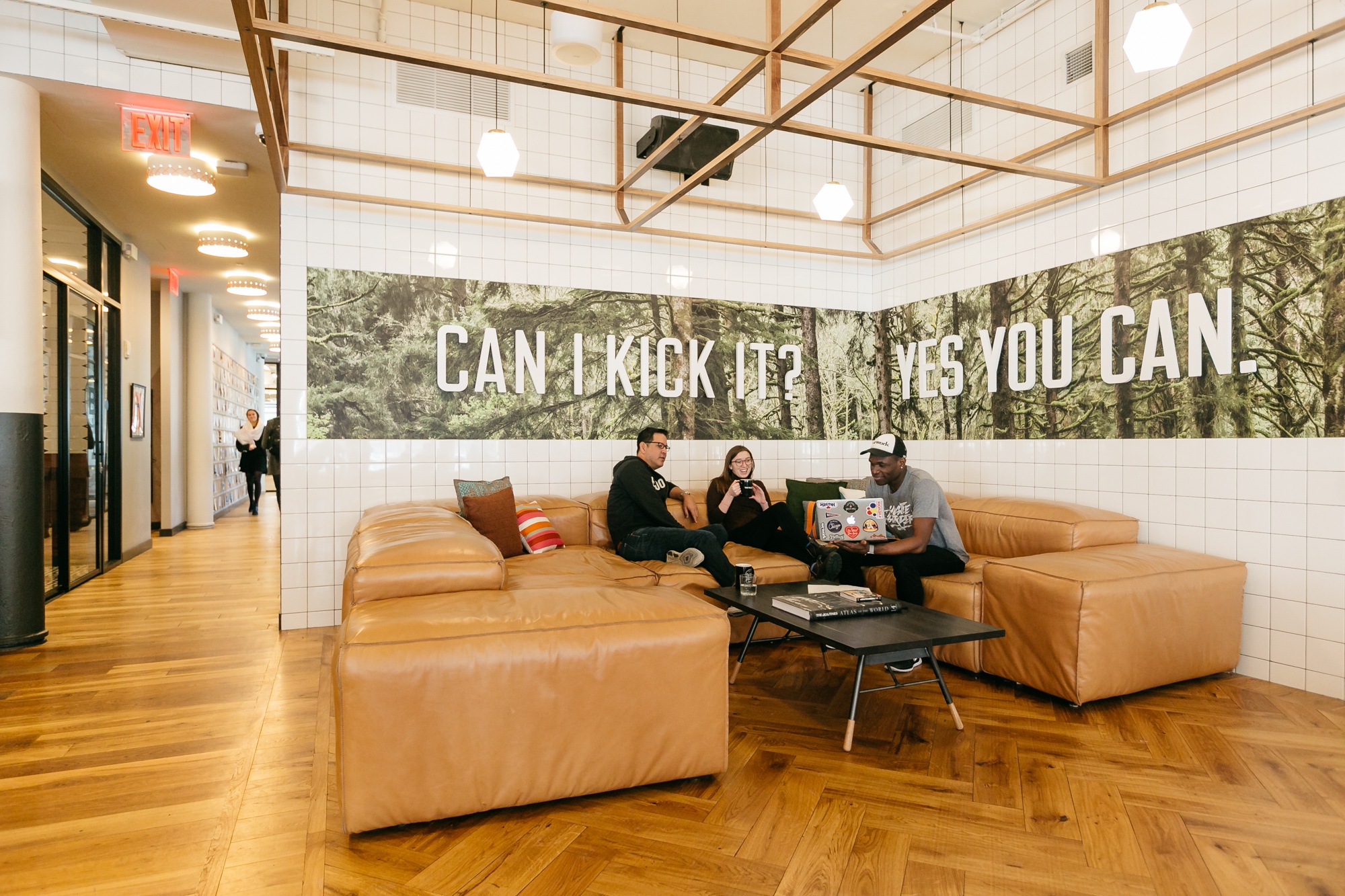
As part of an initiative to shape the future of work and cities, WeWork was interested in demonstrating how the WeWork community creates an economic ripple effect for people, businesses, neighborhoods, and cities.

Solution

To quantify the economic benefits of WeWork to a range of stakeholders interested the company’s growth, HR&A developed the first detailed economic and fiscal impact analysis of WeWork communities in New York City, Los Angeles, and Chicago. The analysis focused on WeWork’s value-add to each partner and its crucial role in growing each city’s innovation economy, small business sector, and entrepreneurial community. HR&A built on this by assessing neighborhood-level demographics and market trends, and creating illustrative profiles of WeWork’s members. Finally, HR&A developed projections to estimate how WeWork’s expansion could impact other cities across the U.S.


IMPACT

Our study found that WeWork would be among the largest private-sector employers in New York City, Los Angeles and Chicago, supporting 50,000 jobs across the three cities. For each member, one additional job is created somewhere else where in the city, in total representing nearly 1% of each city’s workforce. A subsequent report, WeWork’s Global Impact Report 2019, expanded to track impacts the impacts of the company worldwide. Findings from both studies will be incorporated into WeWork’s Future of Work initiative and will continue to support outreach to policymakers as WeWork expands.

Imagine Boston 2030

Imagine Boston 2030, the city’s first comprehensive plan in 50 years, sets the agenda for future growth, investment, and development.

A historic, land-constrained city with a highly productive workforce and a fast-growing population, Boston’s greatest challenge is one that many growing cities are facing—how can it keep housing affordable, invest in infrastructure, and expand access to opportunity as it grows?
 
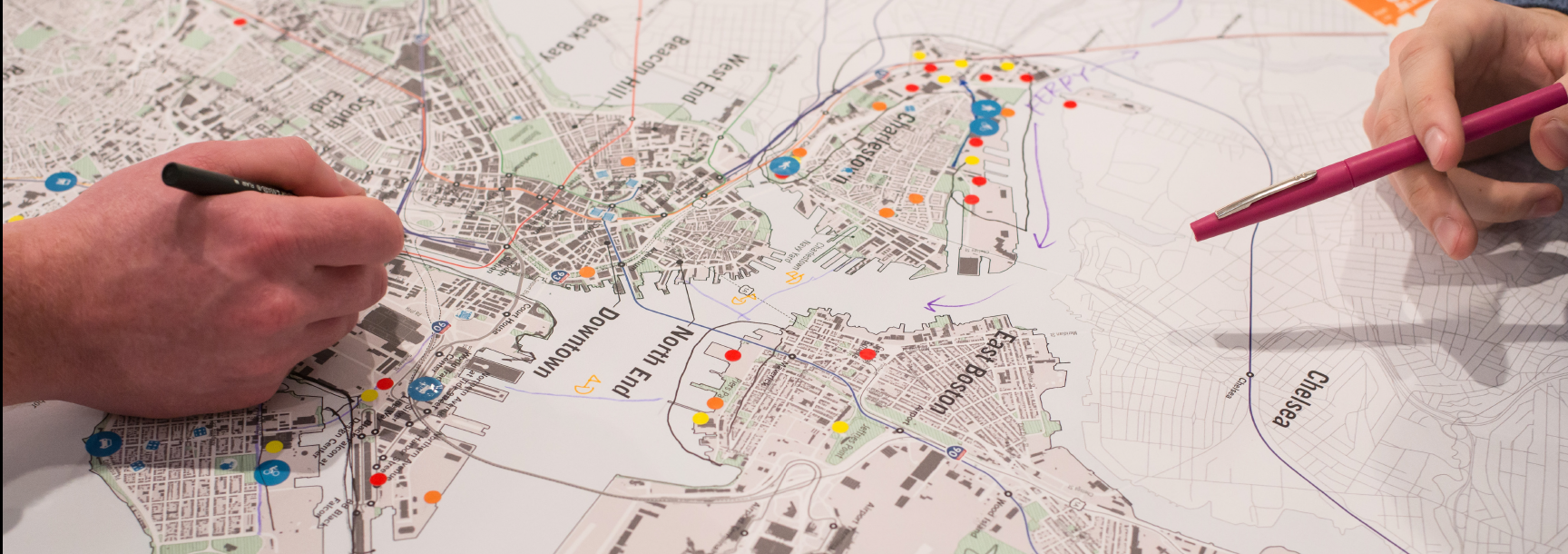
Imagine Boston 2030 is a plan to strengthen the city’s physical assets and encourage equitable economic growth. On behalf of the administration of Mayor Martin J. Walsh, HR&A used economic, demographic, real estate, environmental, and land use analyses, coupled with input from over 14,000 community members, to guide development of an innovative framework that will enhance and preserve Boston’s historic communities while accommodating long-term population and job growth. Working in partnership with Utile Design and supported by Inkhouse Communications, Greenberg Consultants, Hood Design Studio, Michael Van Valkenburgh Associates and Nelson Nygaard – HR&A estimated the housing and working space needed to accommodate growth and developed a strategy that leverages the City’s physical assets, human capital, and regulatory and financial tools to achieve the City’s goals of affordability, inclusive growth, preparing for climate change, and investing in quality of life improvements.
 
Through our analysis, we identified three areas requiring customized approaches to growth, enhancement, and preservation—existing neighborhoods, the commercial core, and edge areas. HR&A helped the City to build consensus on a set of initiatives that combined this place-based planning with new policies —ranging from carbon neutrality to anti-displacement measures —to advance the plan’s underlying goals. By combining planning and capital investment with policy, Imagine Boston 2030 will enable the City to firmly guide development of new housing and investment in areas with the ability to support sustainable growth, while ensuring that the benefits of that growth are accessible to more Bostonians.
 
The final Imagine Boston 2030 plan articulates how the initiatives and priority actions will be funded, led, and measured to ensure success—directly informing the City’s five-year capital plan. Concurrent plans like Climate Ready Boston, Go Boston 2030, and 100 Resilient Cities are other important avenues of progress for the plan’s goals, providing complementary strategies that build off Imagine Boston.