Buffalo Bayou East Investment Framework and Master Plan

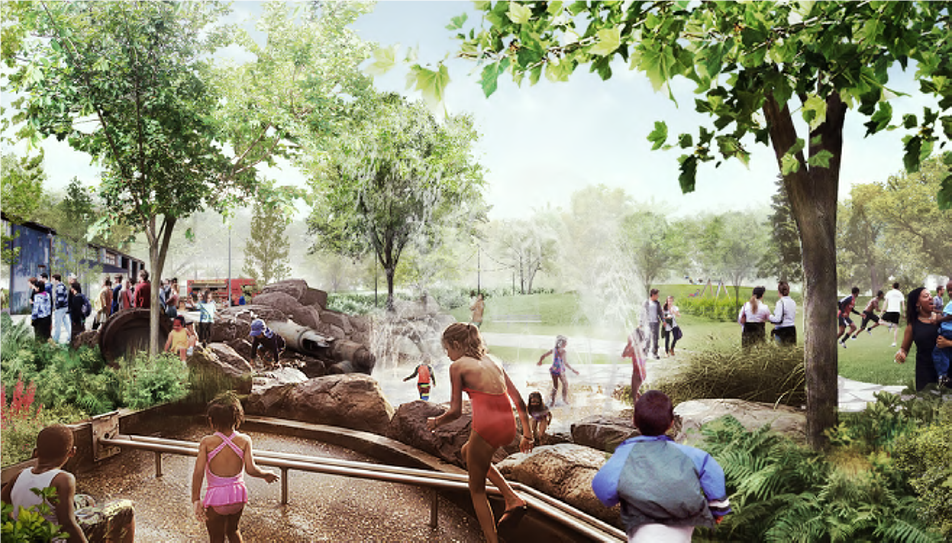
HR&A worked with Buffalo Bayou Partnership to develop a comprehensive investment framework and master plan for Buffalo Bayou East, a 260-acre waterfront transformation extending Houston’s celebrated greenway network four miles east of Downtown. Our strategic planning work created the foundation for securing a historic $100 million catalyst gift from the Kinder Foundation, which will leverage an additional $210 million in public and philanthropic funding to support the first decade of development and operations.

The Buffalo Bayou Partnership sought to extend their success at the nationally recognized Buffalo Bayou Park eastward into Houston’s Second and Fifth Wards, communities that have been disconnected from their waterfront due to industrial use. HR&A created an Investment Framework Report that assessed existing conditions and established a clear vision based on principles of authenticity, connectivity, inclusiveness, and resilience. We identified specific open space and neighborhood redevelopment opportunities while developing long-term implementation strategies that would guide Buffalo Bayou Partnership’s eastward expansion and catalyze broader community revitalization.


HR&A then managed the competitive selection process that brought on Michael Van Valkenburgh Associates to lead a world-class master planning team. We guided the entire master planning process, leading analysis and strategy development across real estate, funding, community engagement, and implementation planning to ensure the final blueprint would be both visionary and achievable. The resulting master plan’s credibility and strategic foundation directly contributed to securing the Kinder Foundation’s transformative commitment, positioning Buffalo Bayou East to become Houston’s next signature urban green space while driving economic opportunity in historically underserved neighborhoods.


Explore:

A 10-Year Plan for Buffalo Bayou East

Press:

Buffalo Bayou Partnership Announces Kinder Foundation’s $100M Catalyst Gift to Accelerate Buffalo Bayou East Master Plan

What’s next for Buffalo Bayou? $10 million grant accelerates master plan’s 3 key projects

Awards and Recognition:
Buffalo Bayou East Master Plan Named Finalist in Urban Land Institute Houston Development of Distinction Awards


The High Line Transformation

HR&A demonstrated the economic rationale for transforming the High Line into a vibrant public park. The park, created by Robert Hammond and Joshua David, reinvigorated Manhattan’s far west side with new jobs, mixed-income housing, and arts and cultural development, providing an internationally-renowned model of civic leadership.

The High Line, an elevated freight railway running 1.8 miles along Manhattan’s far west side, was built in the 1930s as part of a public works project to remove trains from the street level. After decades of abandonment and disuse, the mayor of New York City signed an order to demolish the High Line in 1999. Visionary neighborhood residents formed Friends of the High Line, a non-profit organization that pledged to preserve the historic structure and create a neighborhood public amenity by converting the abandoned railway into a public park.

HR&A has supported the Friends of the High Line throughout the development and operation of the High Line

  • HR&A prepared an economic and fiscal impact study to demonstrate that the economic and social benefits of such a conversion would far outweigh the necessary capital costs of development.
  • We also worked with Friends of the High Line and the New York City Department of City Planning to craft the award-winning West Chelsea rezoning, which allowed the transferal of air rights under and around the High Line to nearby land parcels. The rezoning preserved private property rights, protected the historic railway structure, catalyzed contextual real estate development, and enhanced the position of West Chelsea and the Meatpacking District the center for art and culture in Manhattan.
  • HR&A worked closely with Friends of the High Line to create the park’s operating model and transform advocacy organization into a conservancy. Relying on an agreement with the Parks Department, Friends of the High Line is responsible managing the park’s public space, which receives over three million visitors a year.
  • Despite the Bloomberg administration’s embrace of the High Line’s first two sections, the final and most beautiful section was threatened with demolition as part of the Hudson Yards development. Even before a developer was selected, HR&A supported the Friends of the High Line in its successful effort to ensure the preservation of the entire structure.

HR&A Chairman, John Alschuler served as Board Chair of Friends of the High Line from 2009 to 2014.

The park opened to the public in 2009 to tremendous success, and now sees over five million annual visitors. Over 30 new residential commercial, and cultural development projects have been planned or constructed in the area, including Frank Gehry’s IAC Interactive headquarters, Jean Nouvel’s 100 11th Avenue residential condominium building, and a new home for the Whitney Museum designed by Renzo Piano. HR&A continues to support to Friends of the High line, providing economic and fiscal analysis to determine the High Line’s impact on the City’s municipal property tax revenues and net new economic activity.


International Economic Development Council Neighbourhood Development Prize, 2010

Images Courtesy of: Iwan Baan

Climate Adaptation Strategy for Lower Manhattan

Challenge

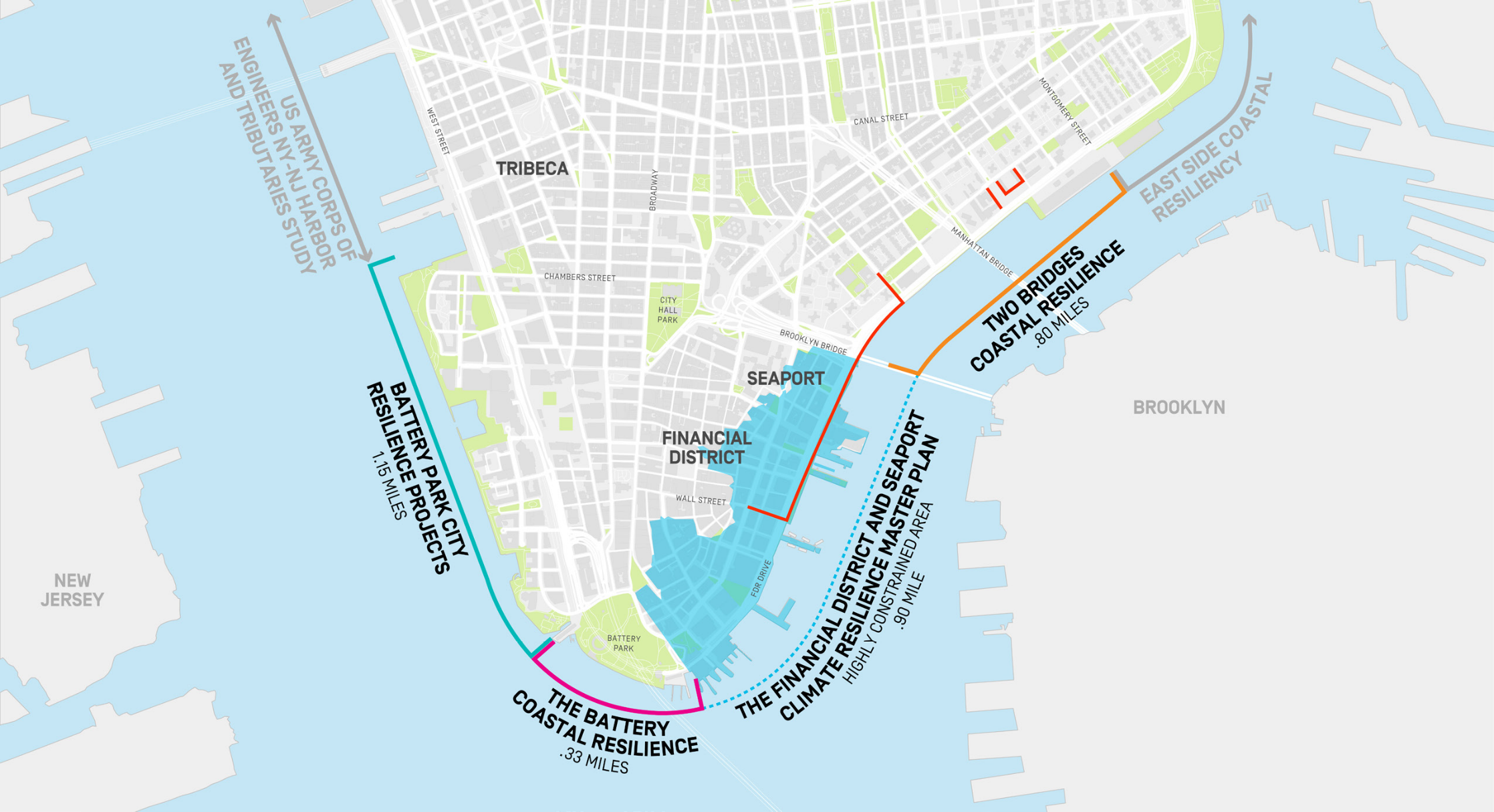
New York City, like many other coastal cities around the world, must face the realities of climate changes and its impact on the urban environment. Over the next century, regular tidal flooding caused by rising sea levels, coastal surge from stronger and more frequent storm events, heavier precipitation, and higher temperatures will all impact New York City and threaten its quality of life and economic vitality. Lower Manhattan, due to its global importance and heightened exposure, is one of the most vulnerable neighborhoods in the City.
 
The New York City Economic Development Corporation and the New York City Mayor’s Office of Recovery and Resiliency engaged HR&A to co-lead a team that developed a strategic plan for Lower Manhattan as part of the Lower Manhattan Coastal Resiliency Study.

Solution

Drawing on deep experience with the dynamics of Lower Manhattan and the design and implementation of innovative climate adaptation strategies, HR&A and the team undertook a climate vulnerability assessment that looked at long-term climate hazards, including chronic stresses, to inform the development of potential strategies for Lower Manhattan’s resilience. Strategies were evaluated based on the ability to mitigate against climate hazards and their positive economic and community impacts.
 

Impact

As part of the Study’s development, HR&A conducted a financial feasibility assessment and identified a series of next steps towards implementation. The recommendations of the study were released as part of Mayor de Blasio’s March 2019 announcement for a Lower Manhattan Climate Resilience plan, including a bold op-ed penned for New York Magazine. The City is currently moving to develop a master plan focused on climate adaption in the Financial District and Seaport.

Designing a Leadership and Training Program for Career Coaches

Skillful is helping transform local labor markets by building the capacity of frontline coaches in the Colorado workforce system.

CHALLENGE

Colorado enjoys one of the lowest unemployment rates in the country, but this low number masks the struggle of underemployed and chronically unemployed Coloradans. Some of the most vulnerable are the estimated 62% of Coloradans who do not have a bachelor’s degree. To connect workers with quality jobs, the Skillful Initiative works with states to develop labor markets that value skills and training over degrees or other proxies for qualifications. In Colorado, the team engaged HR&A to develop a program that would build the capacity of career coaches in public workforce development centers, community colleges, high schools, and career service non-profits across the state to better connect job seekers with quality career paths.

Solution

To understand Colorado’s most pressing labor market challenges, we interviewed over 40 workforce development professionals. We realized that Colorado had fundamental workforce issues, such as the disconnect between workforce centers and higher education, and struggles to engage rural populations. Based on Skillful’s prior work, we also knew that the insights of front-line career coaches—individuals serving as a first point of contact for job seekers in career offices across the state—could be instrumental in devising solutions that would actually confront on-the-ground, systemwide challenges.


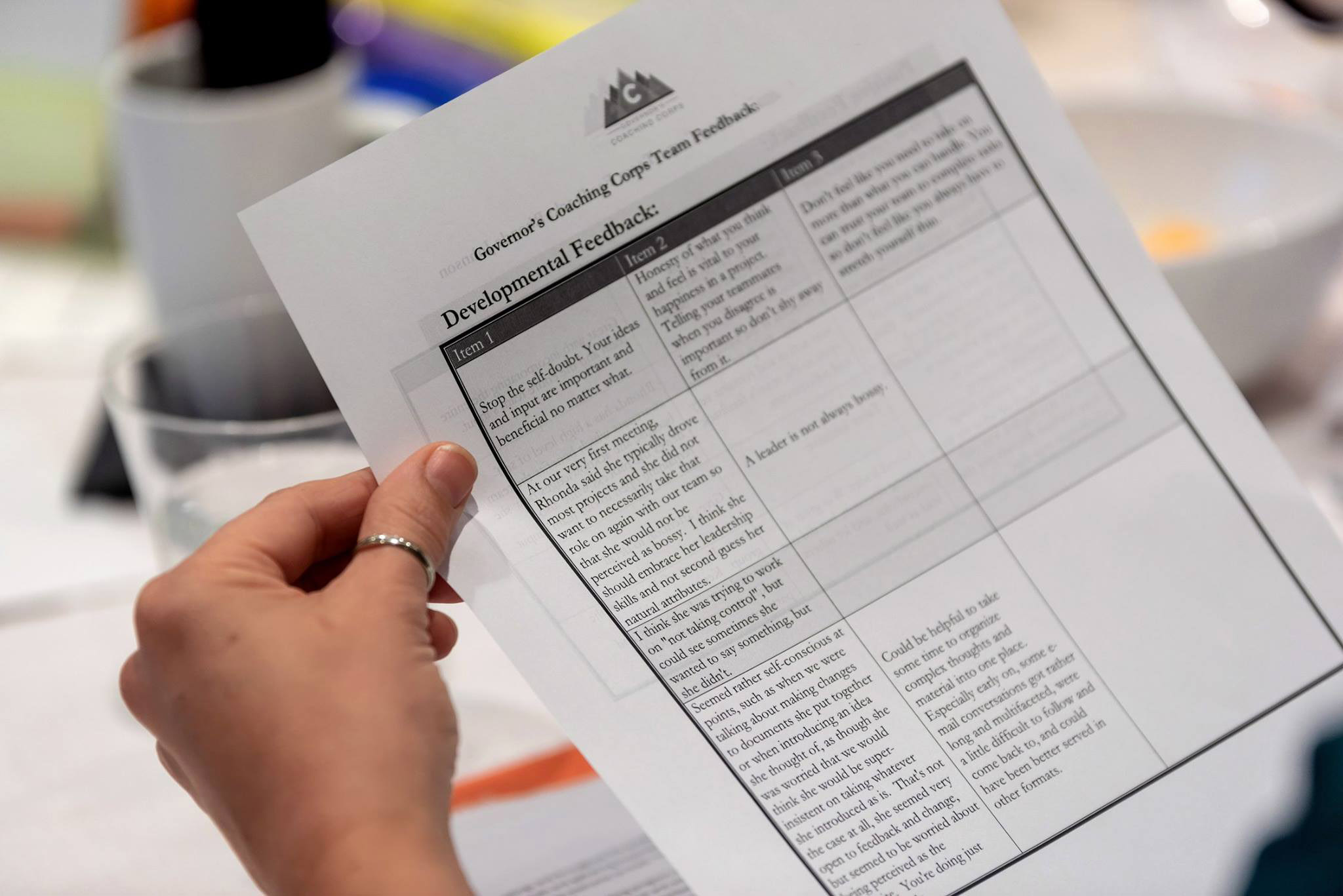
With this knowledge, we started designing a program to provide the most dedicated career coaches with the training and support to be effective problem solvers for the state. We collaborated with workforce development experts to design a relevant and practical curriculum that built leadership and analytical skills, while ensuring that coaches could make significant contributions to the workforce development system. A key part of the program is their work in action teams to tackle specific issues, such as how to engage rural job seekers or best leverage online career resources, and develop potential policy solutions to pitch to State leadership. Apart from content development, we also ensured that Skillful could confidently run the program by designing a blueprint that included timelines, budgets, curricula, and evaluation metrics—as well as guidelines for the program launch, application process, and onboarding of new staff.


Impact

In 2017, Colorado’s Governor launched the Governor’s Coaching Corps with Skillful and the Markle Foundation. The corps selected 25 career coaches to participate in the inaugural program and create policy ideas that were presented to state leaders for potential implementation. Now, career coaches are working outside of silos and sharing resources to better assist job seekers across organizations and regions in Colorado. The corps launched a larger virtual community of practice that engages upwards of 150 coaches across the state in regular webinars to learn from and contribute to the work of the corps in devising policy solutions. To date, 20 governors across the United States have also pledged to implement a version of the Coaching Corps in their states as part of the Markle Foundation’s Skillful State Network.

Climate Ready Boston Climate Adaptation Strategy

The City of Boston developed a climate adaptation plan to address emerging climate challenges while planning for future growth.

Challenge

A dense, coastal and riverine city partially built on tidal fill, Boston is confronting significant climate challenges. As the City planned for equitable growth through its comprehensive plan Imagine Boston 2030, it sought to understand local vulnerabilities to the changing climate and what actions it could take to prepare.
 
The City of Boston and the Green Ribbon Commission engaged HR&A and a team a climate scientists, engineers, planners, and designers to develop Climate Ready Boston, a comprehensive climate adaptation plan for the city and the regional systems it relies on.

Solution

The team first assessed how Boston’s climate will change throughout the 21st century, developing up-to-date, localized, consensus projections for multiple climate factors. Using those projections, the team evaluated the city’s current and future exposure to climate hazards – extreme heat, stormwater flooding, and coastal and riverine flooding – and quantified the potential impact on the city’s people, buildings, infrastructure, and economy.
 
With a clearer understanding of near- and long-term risk, the team recommended actions to improve Boston’s climate preparedness and increase citywide resilience. The team identified each action through HR&A’s five key principles of resilience-building to generate multiple benefits, leverage multiple funding sources, incorporate local involvement, create layered solutions, and leverage regular building cycles to rehabilitate and improve over time.
 
These actions were incorporated into a phased strategy and implementation plan, which includes roles and responsibilities, timing, and key milestones. HR&A aligned the findings and recommendations from Climate Ready Boston with the Imagine Boston 2030 comprehensive plan. As Boston is a waterfront city, many of the growth areas identified in Imagine Boston 2030, along with many existing stable neighborhoods, are in the current or future floodplain. To grow in these areas, Boston will need to implement multi-layered solutions for flood resilience and leverage some of the value of new development to support these solutions.
 

Impact

The City and the Green Ribbon Commission released Climate Ready Boston in 2016, and have since launched many of the recommended initiatives to increase Boston’s ability to thrive in the face of intensifying climate hazards. These actions will improve quality of life for all residents, especially the most vulnerable, and create stronger neighborhoods and a healthier environment.
 

READ THE FULL REPORT

King's Drive and Walker's Point Equitable Transit Oriented Development

Commercial and Residential Affordability Study

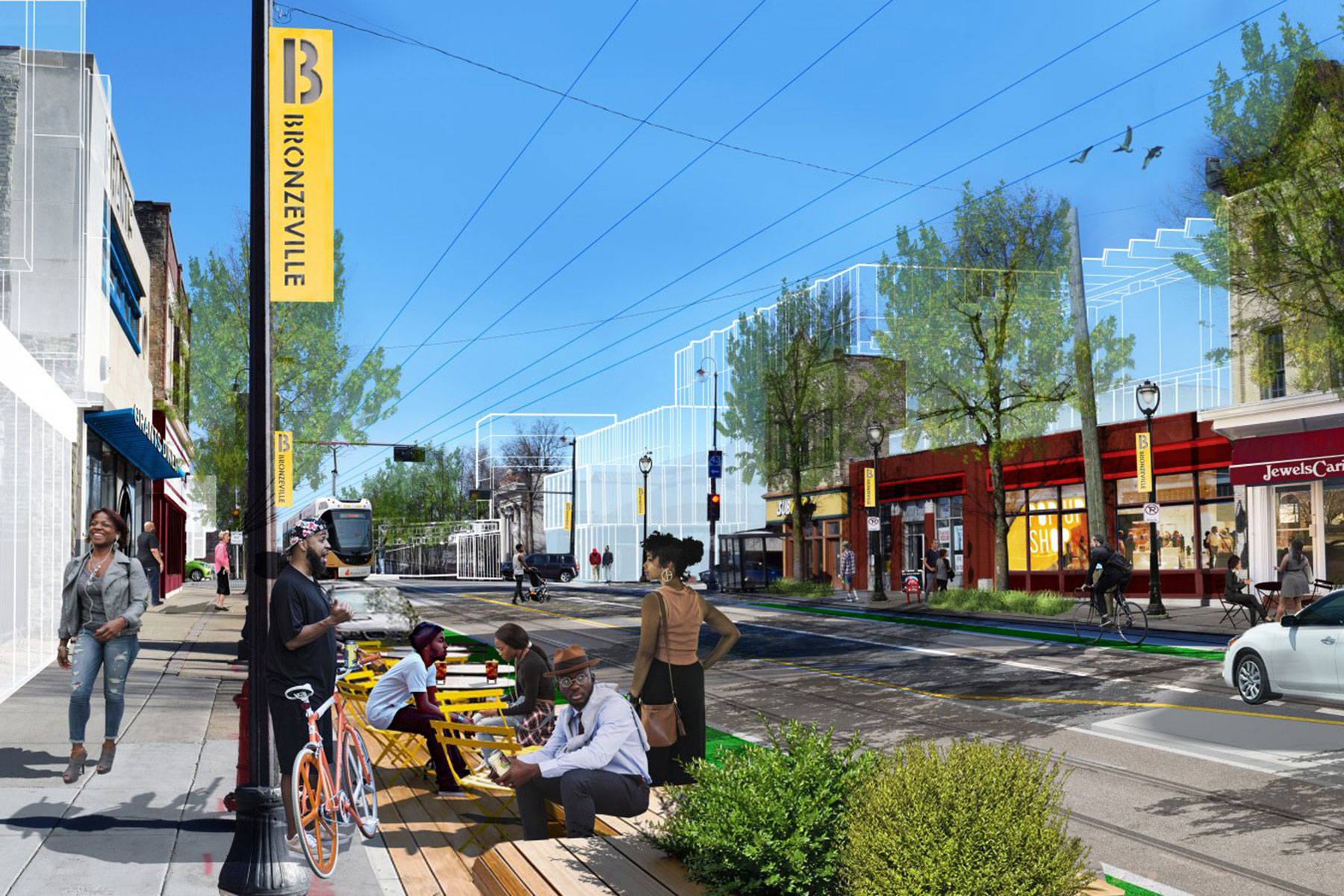
After planning a new streetcar line, the City of Milwaukee created an affordability strategy to mitigate the potential displacement of residents and businesses in existing neighborhoods due to increased market demand.

CHALLENGE

Too often, infrastructure improvements spark patterns of development and neighborhood change that inadvertently displace the very people who would benefit from those investments the most. The City of Milwaukee, while planning a new streetcar line to connect the Walker’s Point and King Drive neighborhoods to the City’s historic core, wanted to ensure that the people living and working in these neighborhoods would benefit from the transit investment and the market demand it creates.
 
The City of Milwaukee engaged HR&A to analyze how new development driven by the streetcar could strengthen neighborhoods and create better connections within the city. Additionally, the City wanted to understand its options for ensuring that residential, commercial, and retail rents could remain affordable to existing residents.

Solution

To clarify the expected market demand associated with the new streetcar, HR&A evaluated the local real estate market, trends, and demographics, and explored whether gentrification and displacement occurred under existing market conditions.
 
This market analysis informed the city’s understanding of future development needs, and the city further engaged the team to identify appropriate commercial development and tenant types, as well as a phasing strategy for the implementation of a detailed tenanting strategy.
 
HR&A also explored state and local policy to recommend tools that would achieve the city’s goals of (1) retaining residents and neighborhood character, (2) increasing affordable and mixed-use development, and (3) improving housing quality and homeownership prospects for area residents. To maintain the affordability of retail spaces, HR&A recommended the city develop new programs that would allow existing businesses to benefit from the transit investment, empower local entrepreneurs – including minority and women-owned businesses, and create a mix of jobs that are accessible to the existing community.
 

Impact

HR&A identified and described a series of effective housing and retail affordability programs to inform ongoing City planning conversations. HR&A rated the potential impact of each of affordability mechanism against City goals to develop a suite of recommended priority options for further consideration.

READ THE REPORT HERE

Innovation Asset Assessment for Lehigh University

Lehigh University identified its best opportunities for development that reflect the university’s programmatic and innovation strengths, as well as the real estate potential of the Lehigh Valley.

CHALLENGE

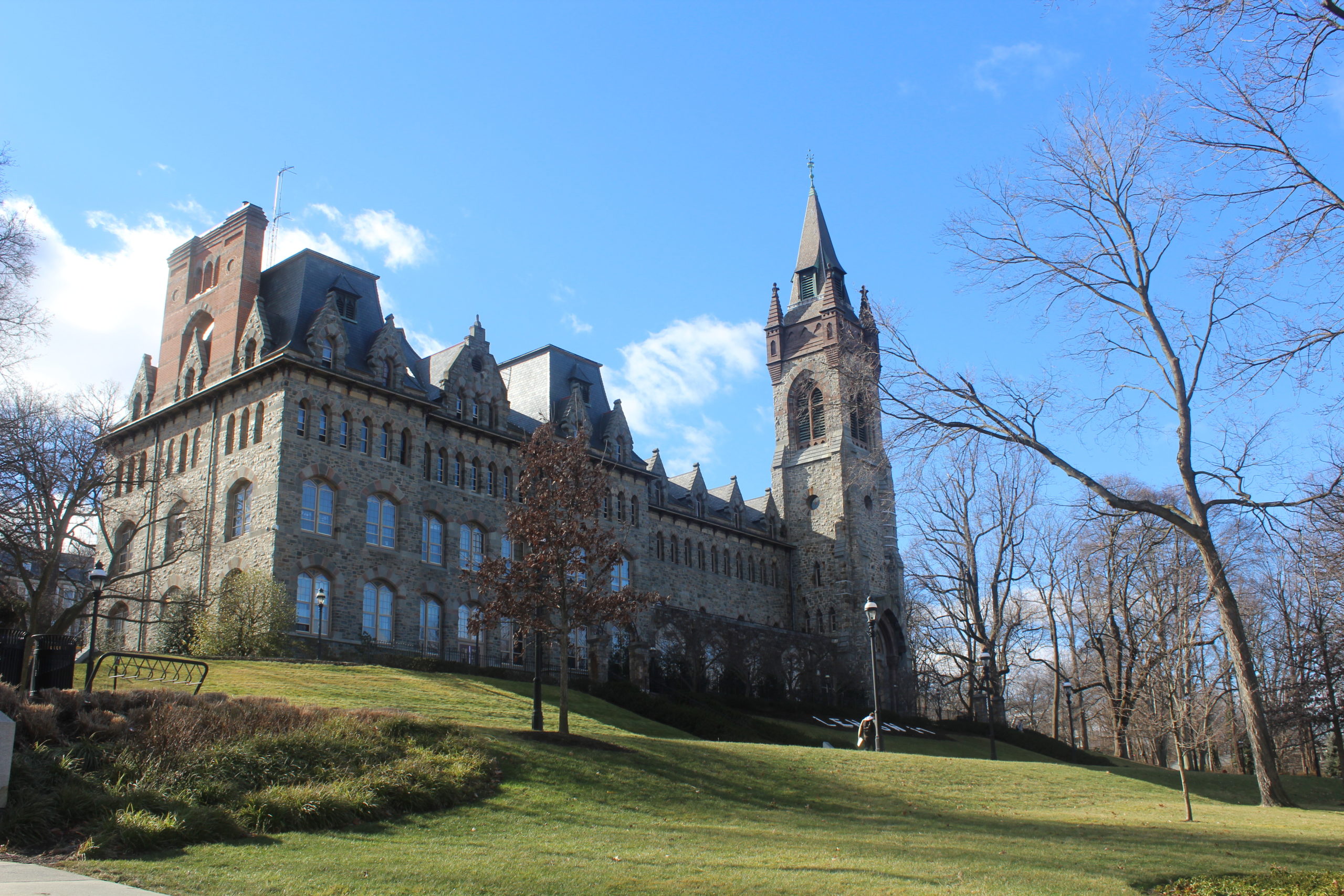
Lehigh University, a private research university in Bethlehem, Pennsylvania, sought to strengthen its research capabilities by building its first innovation campus and redeveloping two additional non-core campuses. As a growing regional university in a tertiary market, Lehigh’s real estate group wanted to better understand the program alignment for an innovation campus and the market potential for real estate development and industry partnerships. HR&A worked with Lehigh’s real estate team to generate excitement and momentum for the redevelopment of its non-core real estate assets by crafting a feasible development vision and detailed strategies for development, funding, activation, and governance.

Solution

Through HR&A’s analysis of market potential, discussions with industry leaders in the Lehigh Valley, and collaboration with some of Lehigh University’s top academic researchers, HR&A recommended a holistic redevelopment approach.

The university would align its campuses around the development of new concepts and ideas, where each campus offers unique opportunities to entrepreneurs and researchers at every stage of business development – from basic research through start-ups and maturation. This work guided the university’s in moving forward with a clear vision and actionable strategies for each campus to foster innovation in Lehigh Valley and elevate the university’s standing as a premiere research university.

Impact

As of August 2018, the University is moving forward with a solicitation process to identify a private sector partner for a revenue-positive first phase of redevelopment.

Innovation District Roadmap for the University of Georgia

The University of Georgia created a roadmap to focus the development goals, priorities, and feasibility of a future innovation district.

CHALLENGE

The University of Georgia, one of the country’s oldest public universities, is quickly becoming a premiere destination for higher-education. Seeking to further strengthen its position as a one of the top 20 public universities in the country, the university is creating a research campus to host its research and innovation activities. To understand the process and resources needed to create a research campus, the university’s real estate team hired HR&A to evaluate the operational and financial feasibility of such a project.

Solution

HR&A assessed the university’s innovation, technology, and research strengths and weaknesses through stakeholder interviews and a review of innovation districts and research centers at peer universities. Working collaboratively with a real estate task force, HR&A and the university used its extensive understanding of university processes, innovation ecosystems, and implementation strategies to create development guidelines for a financially sustainable innovation district. These guidelines identified strategies to develop through private sector partnerships, grow university research opportunities, and produce a convergent environment unique to the University of Georgia.
 

Impact

HR&A’s recommendations focused the task force’s future development of the district on the development of a convergent innovation center that would include space for productive uses open to for entrepreneurs, community members, and students. The convergent innovation center will be activated and programmed by a variety of university programs and activities that focus on economic development, industry partnerships, and entrepreneurship.

Revenue and Ridership Analysis of Commuter Parking & Transit-Oriented Development

With HR&A’s parking and ridership forecast model, MARTA can confidently evaluate the financial implications of providing free commuter parking and transit-oriented development.

CHALLENGE

$2.8 billion in new transit funding, rapid regional growth, and an unexpected spike in ridership – due to the emergency closure of a major transportation artery – compelled MARTA to evaluate and identify the appropriate level of commuter parking capacity along its rail system. Station parking, which is free for commuters, represents a significant cost to MARTA, and replacement requirements for existing parking reduce the financial feasibility of building transit-oriented developments at stations – which could bring new riders and revenue to the system.

To better understand the appropriate balance between providing enough parking to meet demand and creating new transit-oriented development opportunities at stations, MARTA engaged HR&A to create a flexible modeling tool that allows the agency to evaluate the financial and ridership implications of supporting different levels of parking and transit-oriented development at each station.


Solution

HR&A developed a model to forecast the changes in demand for parking through 2040 at five MARTA stations. This model relied on regression analysis to identify the relationship between parking demand and observable conditions, then used regional transit planning growth projections to forecast demand. Working with transportation consultants Fehr & Peers, the team created a flexible, user-friendly evaluation tool from the model, which details the impact of transit-oriented development and parking scenarios on anticipated MARTA revenue and ridership.


Impact

HR&A is now working with MARTA to expand the tool to the remaining 18 stations with parking facilities in the rail system. In addition, MARTA anticipates using the tool to support its negotiations with a development partner for the second phase of the Edgewood-Candler Station transit-oriented development project and future transit-oriented projects. The tool will help inform the optimal level of replacement parking required of the developer.

Multifamily Affordable Housing Strategy for the City of Detroit

The City of Detroit’s Multifamily Affordable Housing Strategy provides a blueprint for related City policy, driving toward the goal of preserving and developing 12,000 multifamily affordable units by 2023

CHALLENGE

As Detroit’s housing market recovers from decades of disinvestment, some residents are unable to find adequate and affordable housing in the city. In some areas, demand is increasing for urban amenities and housing costs are rising. Elsewhere in the city, other neighborhoods face steep obstacles to regaining economic strength.
 
While the City’s Housing and Revitalization Department is actively promoting preservation and new development of affordable housing since the City’s emergence from bankruptcy in 2014, it did not have a formalized strategy for pursuing policies and programs to realize its equitable growth goals. Such a strategy would allow the City to proactively message its affordable housing goals to the market and track progress against those goals.


Solution

To guide the City’s future initiatives related to affordable housing development and preservation, inclusive growth, homelessness, and housing development in priority planning areas of the city, HR&A worked closely with the City to develop a public-facing housing strategy document that expressed the City of Detroit’s housing priorities and established a formalized plan for implementation.
 
HR&A reviewed our previous assessment of Detroit’s housing market, which tested the feasibility and impact of affordable housing policies and recommended those that would be most effective in Detroit. The knowledge developed in this stage of work was key in developing a strategy outline and coordinating the drafting of content for all initiatives with support from the City and partner organizations. Finally, HR&A oversaw the production of a document designed for public release. HR&A brought a unique combination of experience in national affordable housing policy analysis and a recent, in-depth understanding of multifamily affordable housing and the multifamily market in Detroit to the strategy’s development.
 

Impact

The city released its Multifamily Affordable Housing Strategy in the spring of 2018 with the goal of preserving 10,000 existing affordable units and developing 2,000 new affordable units by 2023. As the first strategy of its kind in Detroit in decades, the document will guide the City’s future work of ensuring new growth is equitable and that residents of all incomes have quality housing accessible to public transit, employment hubs, and other essential services. The City has already established an affordable housing loan fund and is implementing initial strategies arising from the study.
 

Read the Full Study