
on Feb 12, 2026
A Conversation with Partner Erin Lonoff on Generational Trends in Real Estate and the Midwest’s Role in Shaping America’s Future
A Conversation with Partner Erin Lonoff on Generational Trends in Real Estate and the Midwest’s Role in Shaping America’s Future
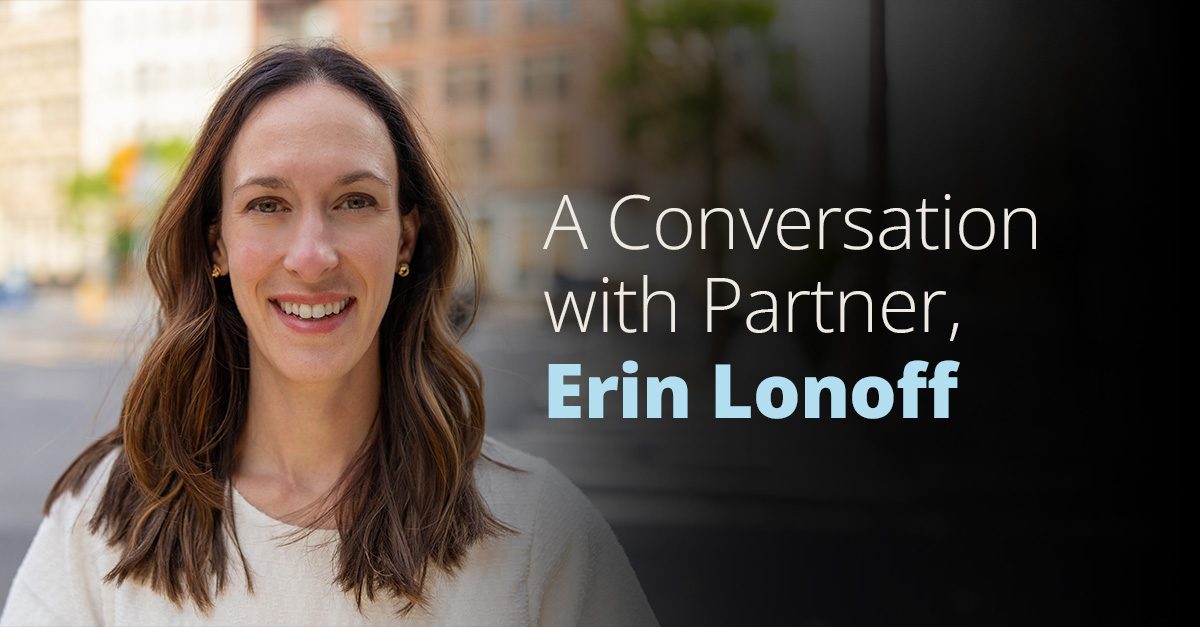
We sat down with Partner Erin Lonoff to discuss why housing affordability is driving Midwest growth, the role of millennials in the future of mission-driven real estate, and her path from Intern to Partner at HR&A. Erin also shares how her diverse work focusing on the intersection of real estate and public policy helps her anticipate what’s next for cities and communities across the country.
What new opportunities are you most excited to take on in this next chapter as a Partner?
Over the past 12 years, I’ve worked with cities and states across the country to deliver economic development and real estate solutions. In this new role, I’m excited to help Midwestern cities leverage innovations from across the country and tailor them to the unique economics, real estate dynamics, and local community goals here. There’s incredible ingenuity happening in the Midwest that other regions can benefit from. The Twin Cities, in particular is currently and has been the epicenter for cultural movements in recent years, but what doesn’t get as much press are the policy innovations that have been shaping outcomes in this region for decades and that offer key lessons for other regions across the country. For example, the Twin Cities region is one of the few metros in the entire country that has taxing authority. They also consistently rank high for their parks systems and affordability. The Midwest broadly is also ahead of the curve on issues like leveraging manufactured housing solutions to speed up production and lower building costs as well as forward-thinking solutions to population decline.
What trends or changes have you seen in your work over the last few years?
We’re at a pivotal moment in cities where we have a generational transfer of land ownership and leadership that’s already starting to shake up the status quo. We have a new generation of millennials taking the reins and becoming land stewards in our cities. As I’ve written about previously, the way that urban millennials see their world outlook, based on how they were raised, is really going to shape how we see our cities get developed. I think that’s one of the biggest trends we’re going to be seeing.
Cities are getting ready to think about their land differently. My optimism comes from believing that with fresh faces and diverse perspectives, real estate is going to have a bigger mission and public policy alignment, and create greater impacts and benefits for our communities.
Midwest cities have infrastructure and often housing stock—all the things you need for living—and the cost is just much lower. This is why I think we’re going to continue to see people moving to and choosing to live in cities like these, and that will come with its own set of opportunities and challenges. While there are unifying themes across the region that are distinct from coastal counterparts, there’s also tremendous variation across the Midwest. There won’t be a one-size-fits-all solution, but that’s an exciting challenge.
Can you describe your practice and the types of projects you work on?
What keeps me energized is seeing the impact of my work come to life as built reality. I worked on the early funding strategies for parks that I take my kids to now. Discovery Square in Rochester is one of my favorite projects—two innovation buildings I worked on back in 2016 that are now operating full-time and viewed as a successful model for other innovation districts. Being part of the visioning stage and then seeing these projects exist in the world, serving communities for years to come, is incredibly rewarding.
What I’ve also really enjoyed about my career so far is that I work with all kinds of communities. I think it’s so important to work across the urban-rural spectrum and understand what’s actually driving growth in different contexts. Take HR&A’s Southeast Minnesota Regional Impact Study, for example. It’s an eight-county region with Rochester at its heart and very rural farmland surrounding it. We found that the regional economies of many of these rural areas are being driven by vitally important immigrant communities who are helping to curb population decline and sustain the workforce. I’ve also worked on the municipal side, leading Saint Paul’s citywide anti-displacement strategy to ensure development outcomes that will benefit all of the city’s residents.
Years ago, you joined HR&A as an Intern, and now you’re stepping into this new Partner role as HR&A marks its 50-year anniversary. What do you think makes this company unique, and what’s in store over the next 50 years?
It’s rare to find a company with this much female leadership and mentorship. In a male-dominated industry like real estate, it’s been incredible to work alongside and learn from women who are leaders and experts. I think that’s directly connected to where our company and this industry are headed. We’re about to see a monumental shift in how real estate gets done and who’s doing it—with more emphasis on emerging and BIPOC developers and women-owned businesses. Our staff composition already reflects that future and the creativity that comes with this. I think HR&A is uniquely positioned to work with this next generation of real estate leaders who are going to shape the industry.
Learn more about Erin here.