
on Mar 09, 2026
When Foster Care Leads to Homelessness: Sarah Solon Interview with Invisible People
When Foster Care Leads to Homelessness: Sarah Solon Interview with Invisible People
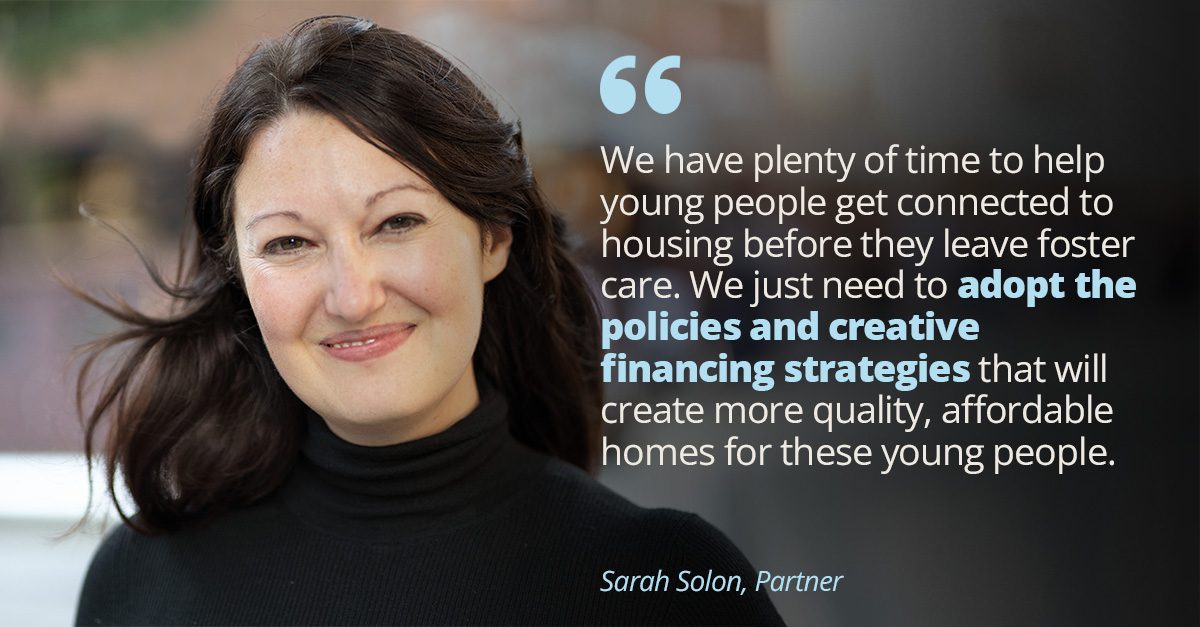
HR&A is proud to support the work of the Fair Futures Housing Design Fellows, who have collectively lived in dozens of difficult housing situations while in foster care and in the years after, and whom we helped create a roadmap to ending the foster care to homelessness pipeline in NYC last year. In a recent interview with Invisible People, Partner Sarah Solon, along with the Fair Futures Fellows, described the drivers of this pipeline and the actionable steps we can take to begin dismantling it.
The Scale of the Crisis
National research has shown that 31 – 46% of transition-age foster youth experience homelessness before they turn 26.
As Sarah emphasized in the interview, the primary issue is the broader affordable housing crisis. “No state or major city has more than 60 affordable homes for every 100 households that need them. Los Angeles and New York City each face shortages of nearly 500,000 affordable homes.”
Without enough affordable housing, it follows that hundreds of thousands of people are pushed into housing insecurity and homelessness. For young people aging out of foster care, they must navigate incredible competition for the few affordable homes that do exist — often without a safety net or a network of adults to help them.
Federal Funding is Available
While many local governments are facing reductions in federal, state, and local funding for homelessness and affordable housing, there’s one critical exception: federal voucher funding for young people aging out of foster care has been protected under HUD’s FY26 budget.
Every public housing authority is entitled to request 50 Foster Youth to Independence (FYI) vouchers, yet many cities and states are leaving this funding on the table. Those who can demonstrate effective use of these initial vouchers can apply for more, bringing additional federal rent money into their communities to benefit young people, landlords, and affordable housing developers.
A Model from Austin
The City of Austin and Travis County are taking action. With more than half of young people experiencing homelessness in the city having a history of child welfare involvement, HR&A supported Austin Homeless Strategies and Operations and LifeWorks to convene partners across government, nonprofits, housing authorities, and advocacy organizations. Together, they committed to 10 clear steps to dismantle the foster care to homelessness pipeline—a model that could be replicated nationwide.
Key strategies include maximizing federal FYI vouchers, making it easier for young people to access vacant homes through partnerships like Housing Connector, and creating trusted community hubs to help youth navigate housing resources.
Quality Matters as Much as Quantity
The article elevated the voices and research of the Fair Futures Housing Design Fellows, who created detailed quality standards for housing for youth exiting foster care. Sarah echoed one of the key takeaways from their stories: “Young people don’t just need more housing; they need better housing.”
The foster care-to-homelessness pipeline is not inevitable. With protected federal funding, local action, and a commitment to both quantity and quality, we have the tools to disrupt the cycle and ensure every young person transitioning out of foster care can access a quality, affordable home.
Read the full Invisible People article here.